Rafting the Martha Brae
A long bamboo raft, a captain with a pole and a green river sliding towards the sea at Falmouth. The Martha Brae trip is gentle, unhurried and best taken without a schedule.
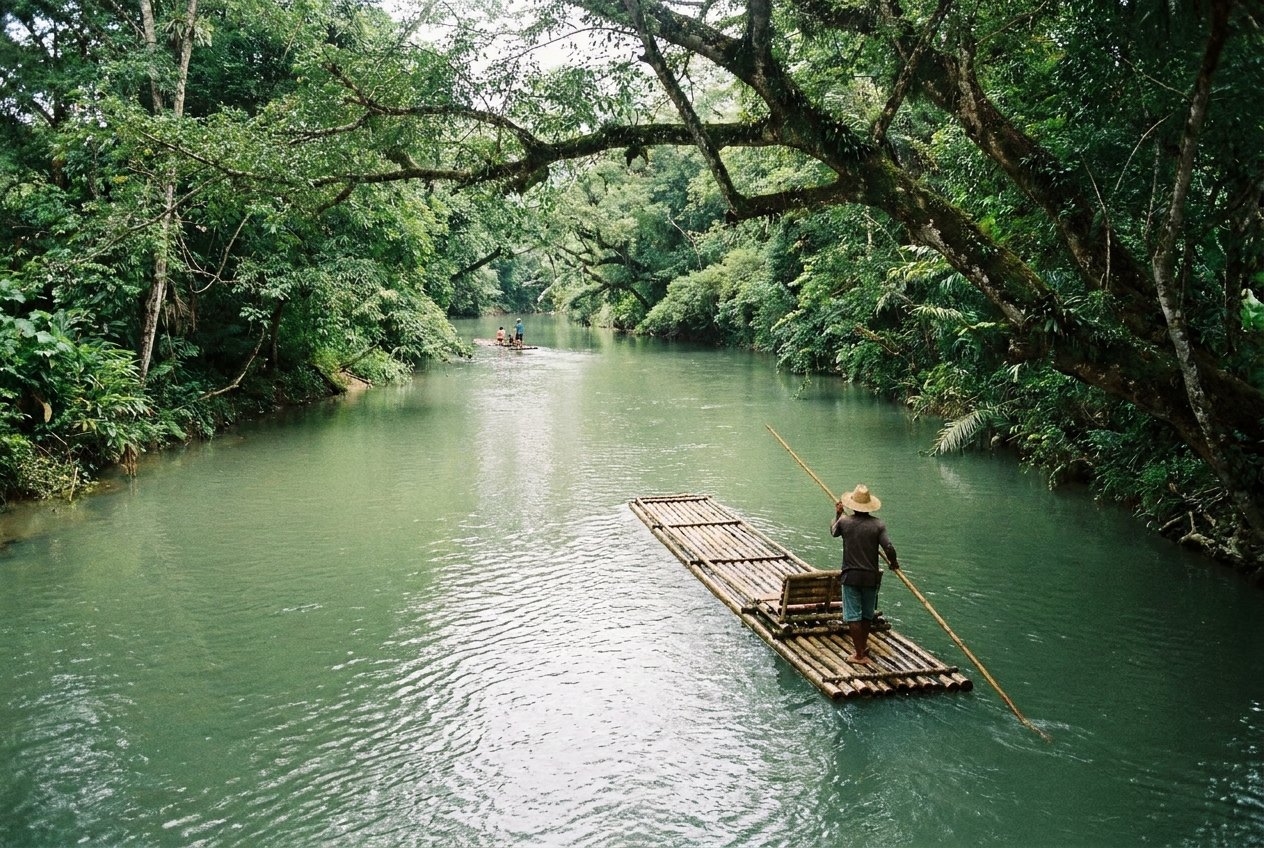
The Martha Brae rises in the limestone hills of Trelawny and winds north to meet the sea at Falmouth. Its last few miles run through a low green valley of bamboo, almond and fig trees, where the water slows and deepens. On this stretch, long rafts of lashed bamboo carry visitors downstream at the pace of a walk, each steered by a captain standing at the front with a pole.
It is one of the calmest outings on the island. There are no rapids to speak of, no engines and very little to do except watch the banks pass. That is exactly the point.
What the trip is like
Trips start from a landing a short drive inland from Falmouth, near the village of Martha Brae. Each raft is made from long bamboo poles bound together, with a raised seat at the back for two passengers. The captain stands at the front and pushes off the riverbed with a long pole, keeping the raft in the current and away from snags.
The ride downstream usually takes a little over an hour, though it depends on the water level and how often you stop. The river is wide in places and narrow in others, shaded by overhanging bamboo where the light turns green. You may see herons standing in the shallows, kingfishers on low branches and small fish in clear patches. Along the banks, people sometimes sell carvings, drinks or snacks from the shore, and at some points the captain may pull in for a break or invite you to swim where the water is calm.
At the end, transport takes you back to the starting point.
The legend of the name
The river's name comes with a story, and it is told in several versions. In the most common one, a Taino woman named Martha knew where the Spanish had hidden gold. The Spanish forced her to lead them to it, and when they reached the river she used her powers to change its course, drowning them and herself and burying the gold beneath the water. Some versions say her spirit still guards the river.
Like many local legends, it mixes real history with invention. The Taino were the island's first people, and the Spanish who arrived after 1494 did hunt for gold, which Jamaica never had in any quantity. The name itself may have older roots in Spanish place names along this coast. Treat the tale as part of the river's character rather than as a record.
Side tripThe Luminous Lagoon at nightFrom working river to quiet ride
Rivers were roads in colonial Jamaica. Before good highways, produce and goods moved on rivers and along the coast, and the old town of Martha Brae, upriver from Falmouth, was once a port for the surrounding estates. Bamboo rafts were cheap to build and easy to steer on slow water, and they were used across the island to move fruit and goods downstream.
Recreational rafting grew from that tradition in the twentieth century, first on the Rio Grande in Portland and later here. Today the rafts carry visitors rather than cargo, but the skill of reading the water is the same.
Choosing a licensed raft
Rafting on the Martha Brae is regulated, and captains at the official landing are licensed. That matters for your safety and for the captains, who rely on the river for their living.
- Go to the official landing rather than accepting an offer from someone on the road.
- Ask about the price, what it includes and how you get back to your car before you board.
- Check that the raft looks sound and that the captain explains where you can and cannot swim.
- Tipping your captain at the end is customary in Jamaica; carry small notes.
Water levels and weather
The river changes with the seasons. After heavy rain in the wetter months, roughly May to June and again from about September to November, the water can run high and brown, and trips may be shortened or paused. In long dry spells it runs low and clear, and the captains work harder to find the channel. The calm, clear months of the dry winter are usually the most pleasant. The guide to Jamaica's seasons and rains explains the yearly pattern.
Midday sun on open stretches is strong, and the bamboo seat has no shade. Wear a hat, use sunscreen and bring water. Mosquitoes can be active near the banks early and late in the day.
Respect on the river
The river valley is farmland and home to families who have lived along it for generations. Keep your voice down near houses, take your rubbish with you and do not feed fish or wildlife. If you buy from vendors on the bank, a fair price helps the river economy more than hard bargaining.
Swimming is possible in some calm places, but currents and depth change. Follow the captain's advice, and do not swim after heavy rain.
The landing is close to the old port of Falmouth, so a morning walk around the Georgian streets pairs well with an afternoon on the river. Stay on into the evening and you can end the day at the glowing water of the Luminous Lagoon, a short drive east, where the same river meets the sea and the water lights up on dark nights.
Bring patience and leave the schedule behind. The Martha Brae rewards people who are happy to drift.
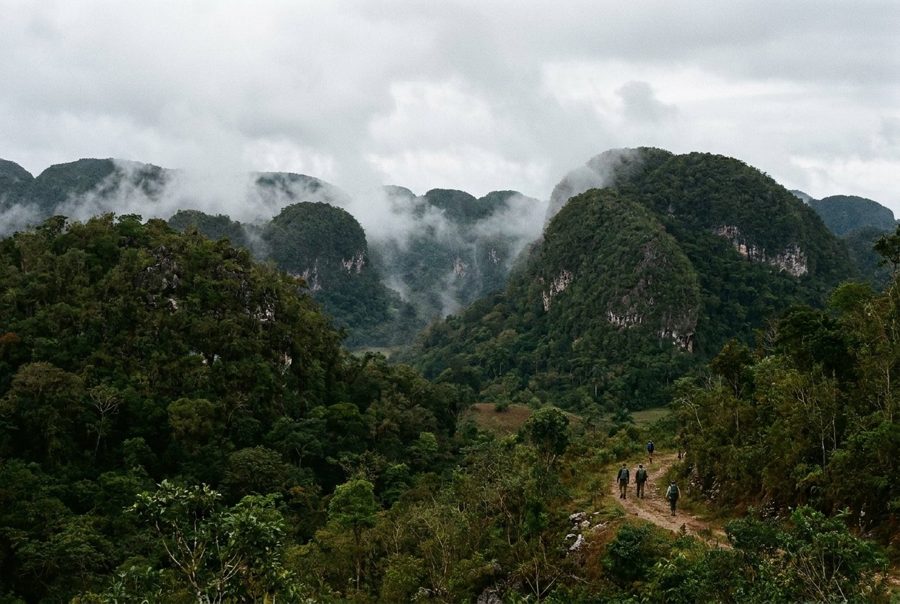 Cockpit Country and the birds of the west
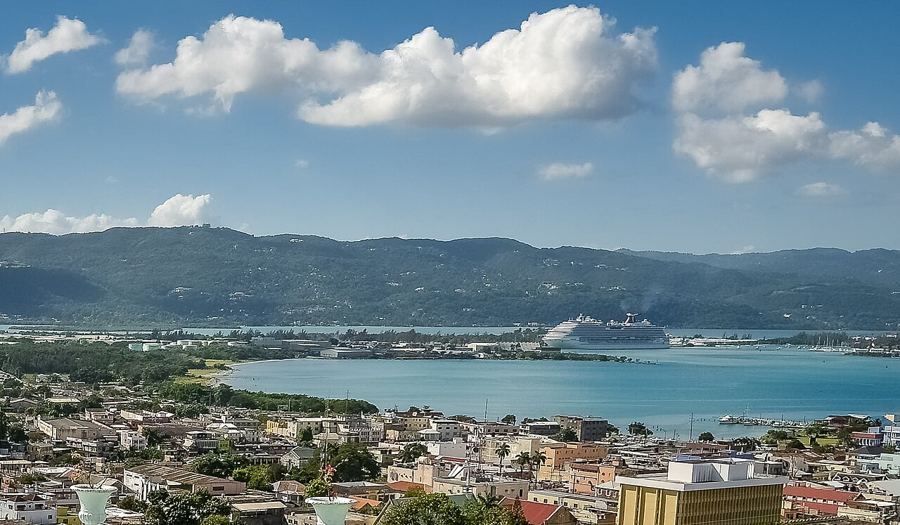 Montego Bay beyond the resorts
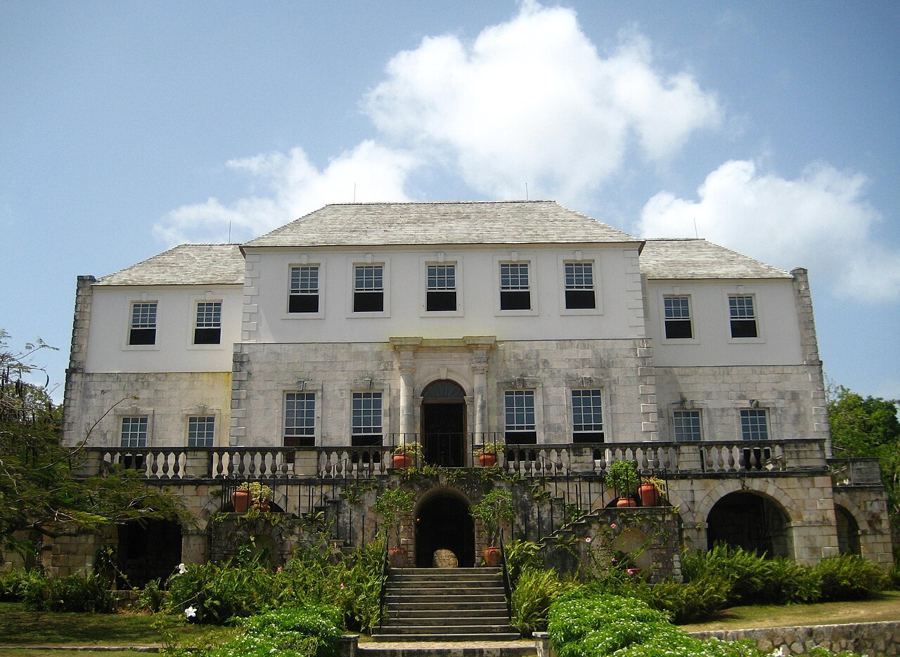 Rose Hall, Greenwood and the plantation past