Kingston, the mountains and the south
Black River, YS Falls and Treasure Beach
St Elizabeth is Jamaica's dry, open south: a river through mangrove wetland, cascades on a cattle farm, roadside pepper shrimp, and fishing villages where the pace is set by the boats.
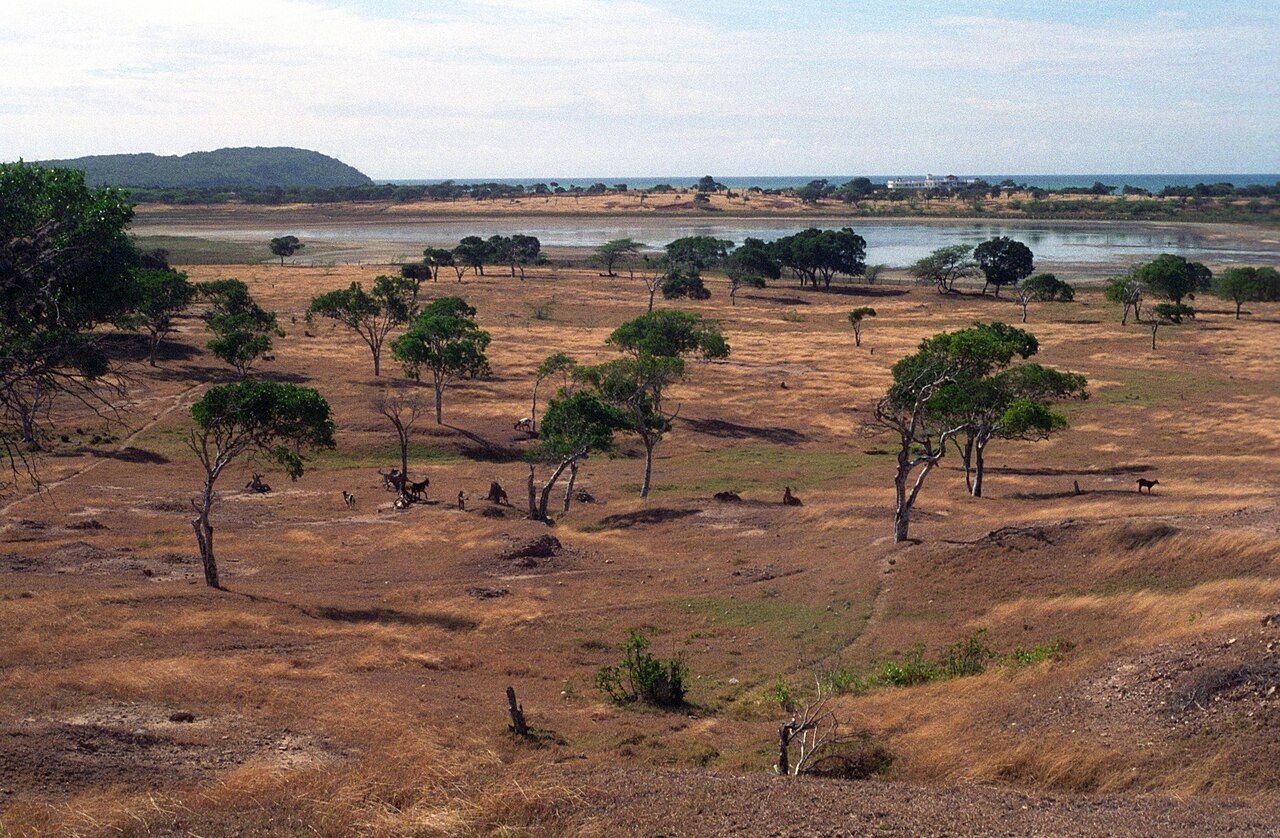
The south coast of Jamaica feels like a different island from the north. The land is drier and more open, with cattle pastures, red earth and long views to the sea. St Elizabeth is known as the island's breadbasket for the vegetables and fruit grown on its farms, and its coast is lined with small fishing communities rather than resorts. For travellers based in Montego Bay, it makes a rewarding loop of two or three days, or a long single day if you only want the river and the falls.
The usual route runs south-west from Montego Bay through Westmoreland to Savanna-la-Mar, then east along the coast to Black River. Alternatively, inland roads through the hills past Accompong and the edge of the Cockpit Country bring you down towards the falls. Either way, the drive itself is part of the pleasure.
Black River town and the morass
Black River is the parish capital of St Elizabeth, a small town at the mouth of the river of the same name. In the eighteenth and nineteenth centuries it was a busy port shipping logwood and sugar, and some of the old timber buildings from that era still stand near the waterfront, with fretwork verandahs and tall windows. The town has an easygoing feel, and a walk along the main street and the seafront takes an hour or so.
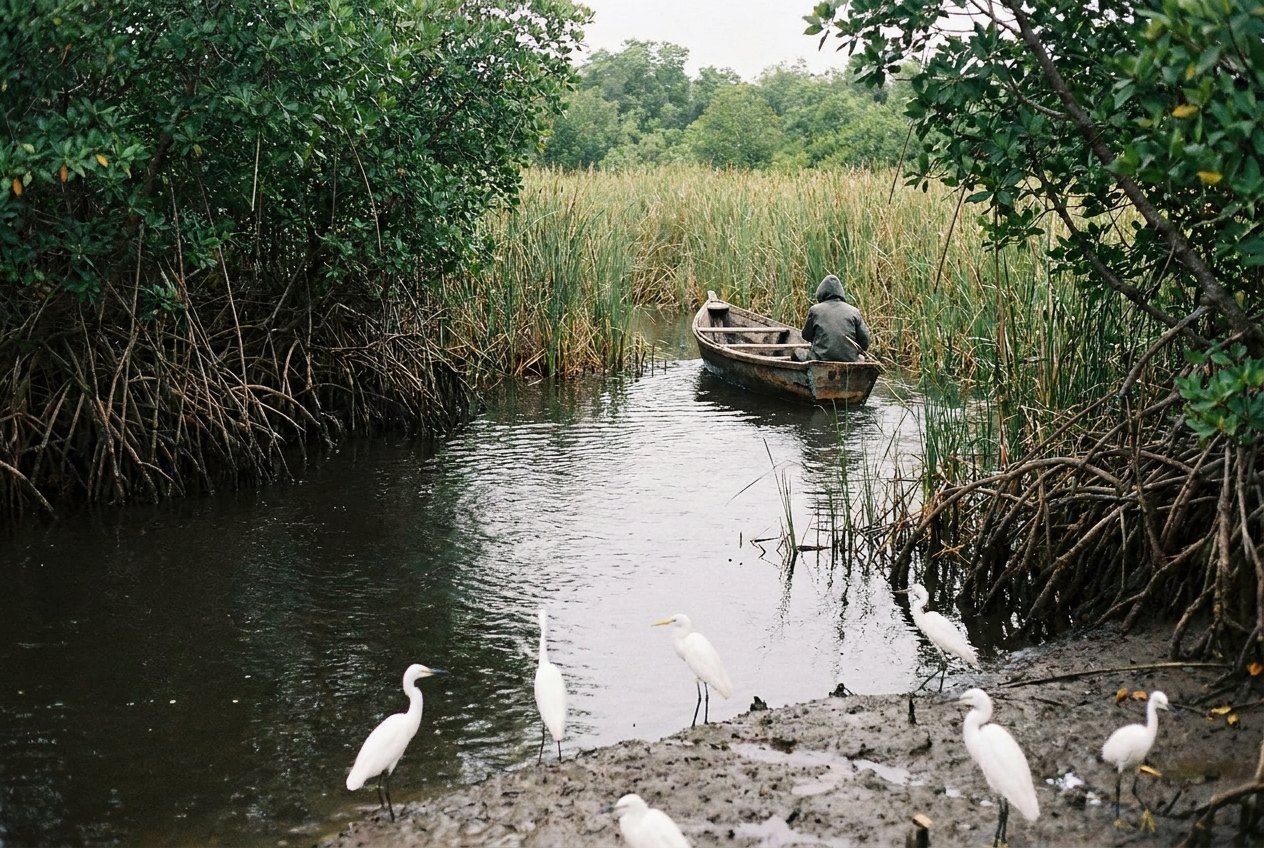
The river is the reason most people come. The Black River is one of the longest rivers in Jamaica, and its lower course winds through the Great Morass, a large wetland of mangroves, reed beds and channels. Its dark colour comes from the peat and decaying plants along its bed, not from pollution; scoop up a handful and the water is clear.
The boat trip
Boat trips leave from the river mouth in town and head upstream into the wetland. Within minutes you are among tall red mangroves, with roots arching into the water and egrets, herons and kingfishers moving between the branches. The guides know where the American crocodiles tend to rest, and on many trips you will see one sunning itself on a bank or floating with only its eyes above the surface. These are wild animals: stay in the boat, keep hands inside, and do not feed them.
Choose a licensed operator and agree on the length of the trip and what it includes before you set off. Morning trips are cooler and the light on the water is softer.
Its dark colour comes from the peat and decaying plants along its bed, not from pollution
Bamboo Avenue and the pepper shrimp
North of Black River, the main road towards Mandeville passes through Middle Quarters, where vendors at the roadside sell bags of pepper shrimp, small river shrimp boiled with hot pepper and spices. They are sold hot and fiery, to be eaten with your fingers.
A little further on, the road runs under Bamboo Avenue, a long stretch where giant bamboo planted along both sides arches overhead to form a green tunnel. Storms have thinned it in places over the years, but it remains one of the most memorable short stretches of road on the island. There are spots to pull over for a few minutes in the shade.
Side tripJerk, patties and ackee: eating in JamaicaYS Falls
YS Falls lies on a working estate in the hills north of Middle Quarters, reached by a farm road through cattle pasture under tall trees. The YS River drops over a series of tiers into wide, clear pools surrounded by forest and lawns. It is one of the prettiest falls on the island and usually calmer than the busy falls on the north coast.
Visitors ride a tractor-drawn trailer from the entrance up to the falls. There are pools for swimming, a rope swing over one of them, and calmer areas where the water is cool and still. The cascades are fast and the rock is slippery, so follow the guidance of the staff about where to swim and climb. After heavy rain in the hills, the river can rise and parts may be closed. Fees and opening days apply.
The food of the island goes well with a day here: bring a picnic, or eat at the stalls and cookshops on the road back.
Treasure Beach and the fishing bays
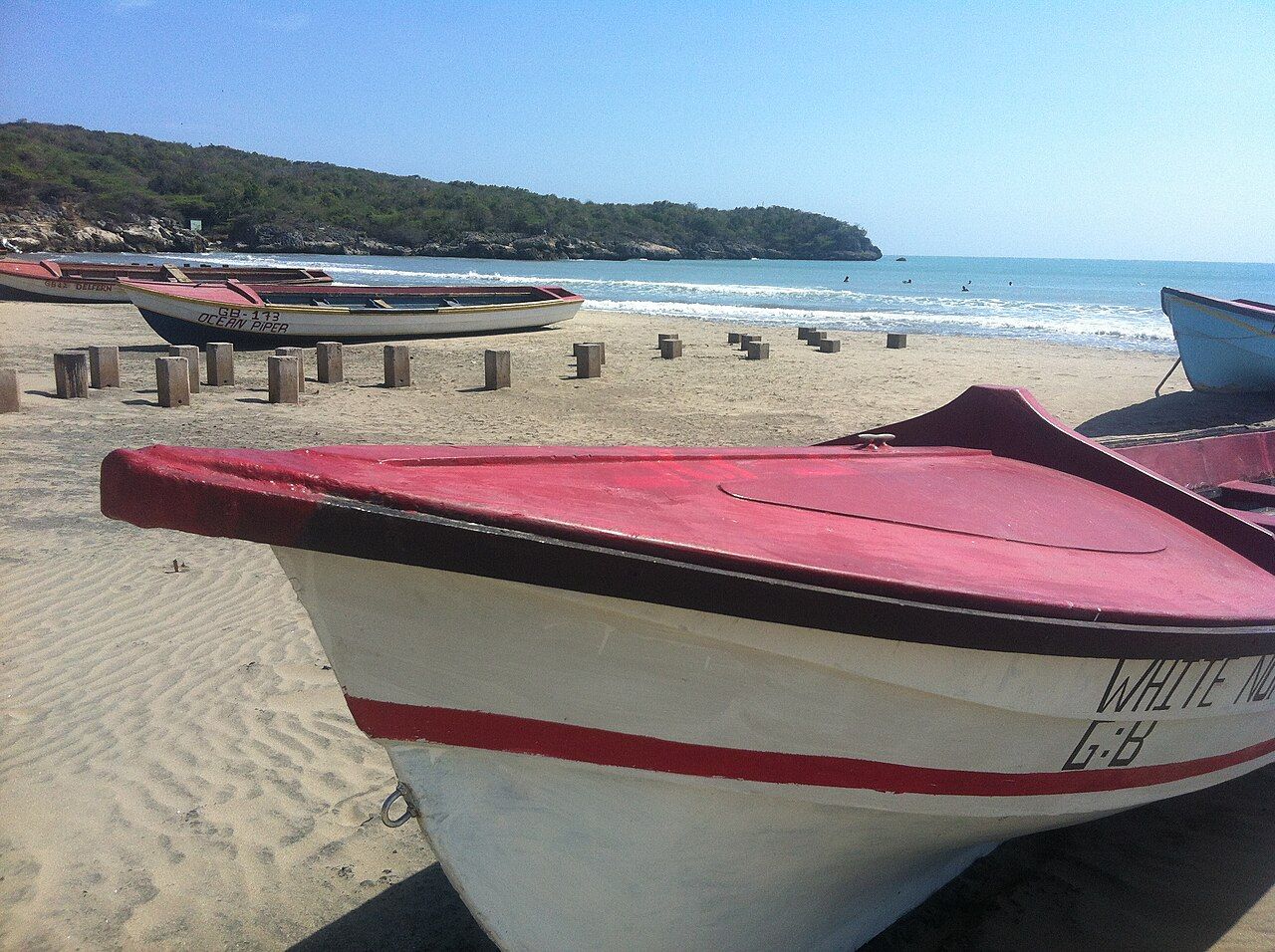
East of Black River, beyond the plains, Treasure Beach is a loose string of fishing villages and bays along the coast: Billy's Bay, Frenchman's Bay, Calabash Bay and Great Bay. It is not a resort town but a farming and fishing community that has welcomed visitors on its own terms for decades. Brightly painted wooden boats are pulled up on the sand, and in the morning you can watch the catch come in.
The beaches are long and mostly empty, with coarse golden sand. The sea along this coast can be rough, with strong waves and currents on some days. Evenings are quiet, and the sunsets over the water are often wonderful. Local guides offer walks and boat trips along the coast, and fishermen will sometimes take visitors out; agree everything clearly in advance.
Inland from the bays, the land is farmed hard. Small plots of scallion, thyme, tomatoes, peppers, melons and cassava cover the red soil, often mulched with dry grass to hold moisture through the long dry spells. Many of the vegetables sold in markets across the island come from this corner of St Elizabeth. Driving the back roads in the early morning, you pass farmers heading to their fields and roadside stands selling whatever is in season, and it is worth stopping to buy fruit straight from the grower.
Lovers' Leap and the Santa Cruz Mountains
East of Treasure Beach, the Santa Cruz Mountains end in high cliffs at Lovers' Leap, a lookout with a lighthouse and a long view down the coast. The name comes from a legend of two enslaved lovers who leapt from the cliff rather than be separated. The view is the reason to stop; go in the late afternoon for the best light.
Planning the south coast
- Time. Black River and YS Falls can be done in a long day from Montego Bay. Add Treasure Beach and stay at least two nights to enjoy the pace.
- Driving. Roads are generally good on the main routes but narrow and potholed in places. Watch for animals on the road in rural areas.
- Weather. St Elizabeth is drier than the north coast. The sun is strong; bring a hat and sunscreen.
- Cash. Carry small notes for roadside food, boat trips and tips.
- Respect. This is a working coast. Ask before photographing people and their boats, and keep beaches clean.
The south coast moves at its own speed. Slow down to meet it, and it gives you the side of Jamaica that many visitors miss.
 Accompong and the Maroons
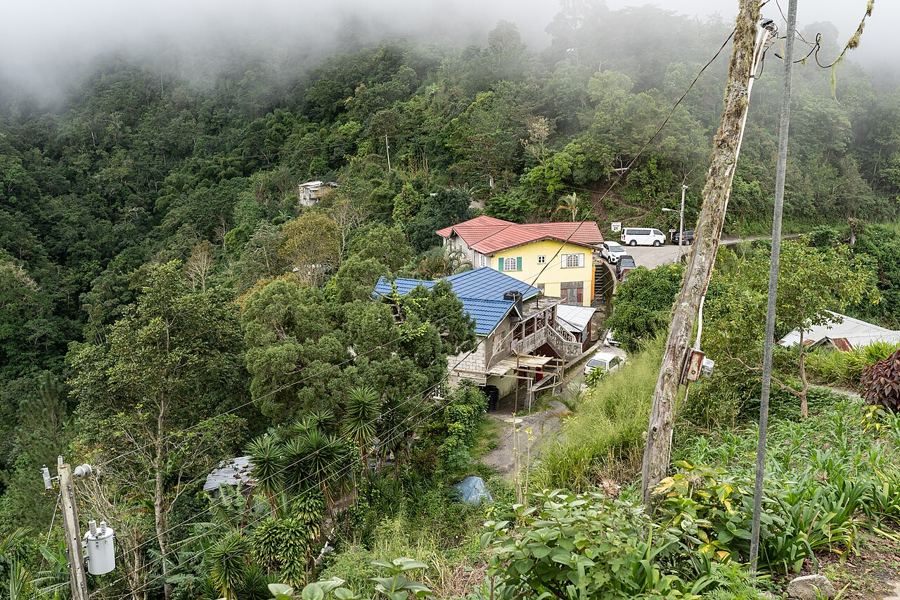 The Blue Mountains and the peak at dawn
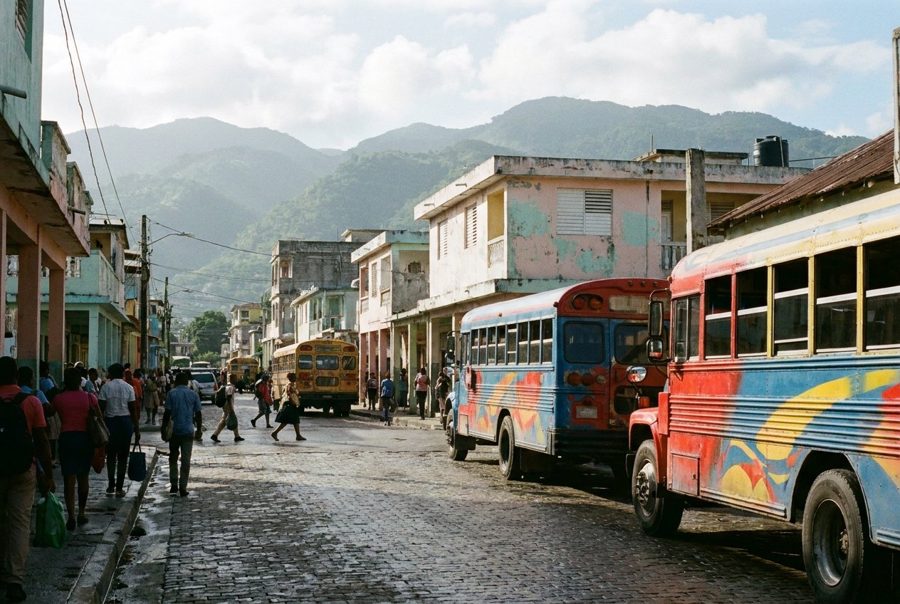 Kingston for a curious first visit