Ocho Rios, Dunn's River and Fern Gully
On the north coast of St Ann, a busy harbour town sits below terraced waterfalls and a road roofed with ferns. Come early, climb the falls before the crowds and look beyond the cruise pier.
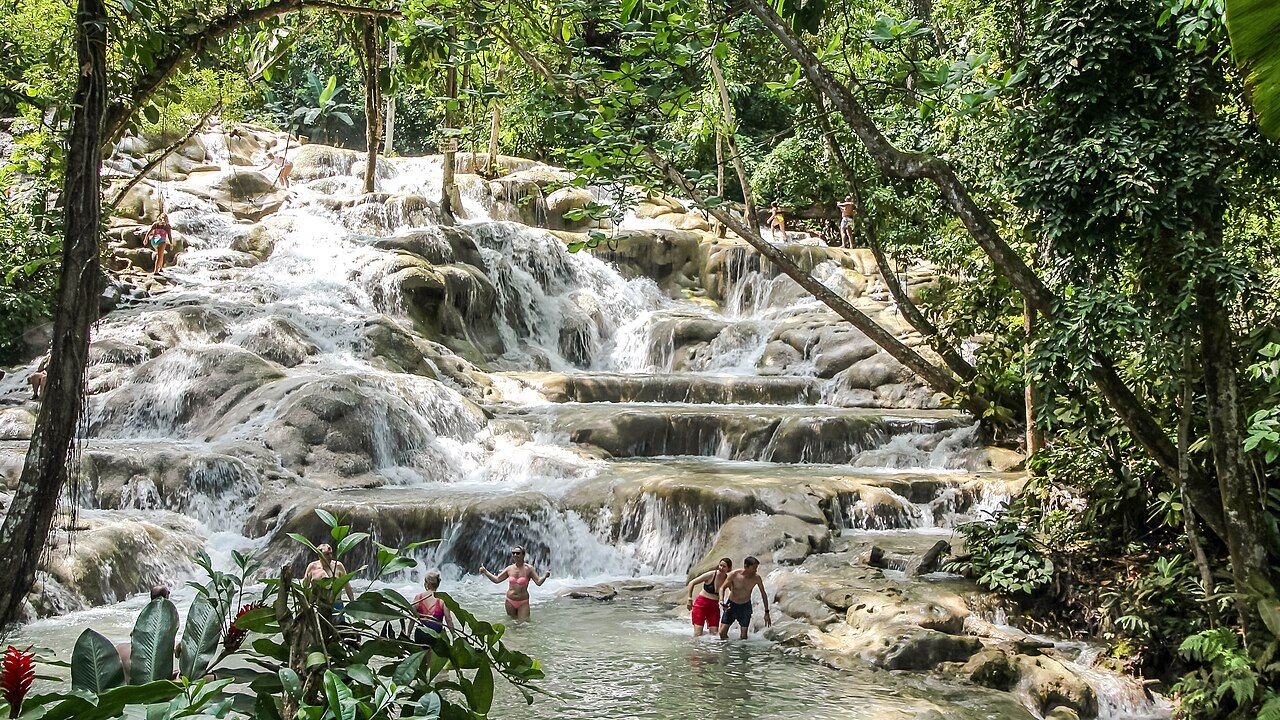
Ocho Rios grew from a small fishing village into one of Jamaica's main resort towns in the second half of the twentieth century. It sits on a curving bay on the north coast of St Ann, backed by green hills that rise quickly towards the interior. Rivers and streams run down those hills to the sea all along this stretch of coast, and the town's best-known sights are built around falling water.
The name is often translated as "eight rivers", but it is usually explained as an English corruption of the Spanish name for this coast, Las Chorreras, which refers to waterfalls or spouts of water. Either way, the water is the point.
Dunn's River Falls
A few minutes west of the town centre, Dunn's River Falls tumbles down the hillside in a series of broad, shallow terraces before spreading across a beach and into the sea. The rock is travertine, a kind of limestone laid down over time by the mineral-rich water itself, which is why the steps are smooth and rounded rather than sharp.
The falls are run as a public park. The main attraction is the climb: visitors walk up the falls from the beach to the top, wading through pools and stepping up the cascades, often in long chains holding hands behind a guide. It is a cheerful, wet, slippery experience, and the water is cool and refreshing even on hot days.
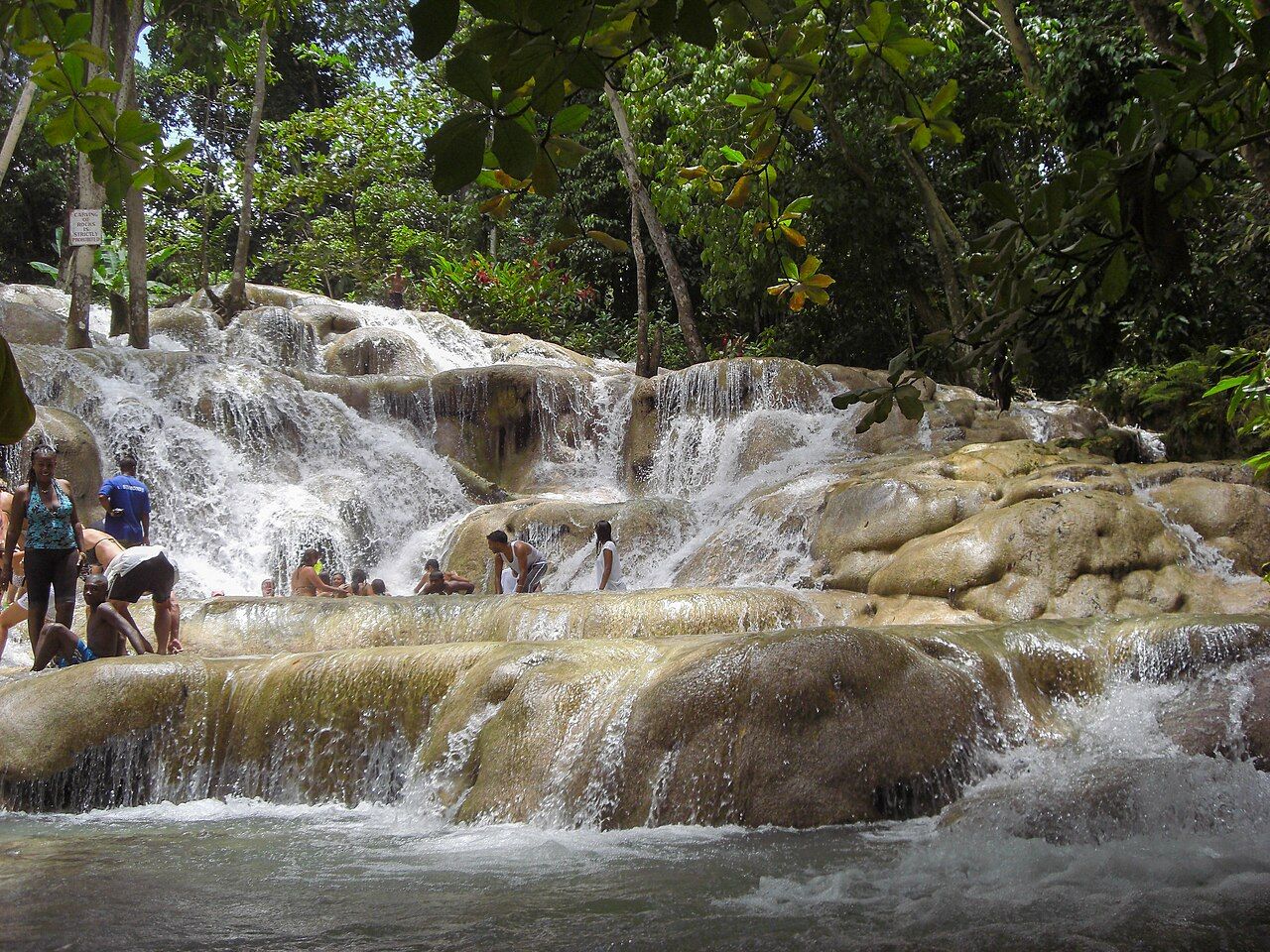
It is a cheerful, wet, slippery experience, and the water is cool and refreshing even on hot days.
Climbing safely
- Wear water shoes with good grip. The rock is smooth and can be slick.
- Follow the park's guides, who know the safest route up.
- Keep phones and cameras in a waterproof pouch or leave them with someone at the bottom.
- If you would rather not climb, there are paths and steps beside the falls with good views.
At the bottom, the falls meet a small beach where the fresh water mixes with the sea. Many people swim here after the climb, and it is a pleasant place to rest. Lockers, changing areas and food stalls are usually available near the entrance, though facilities change over time.
The falls are busiest on days when cruise ships are in port. Going early in the day, or on a day without a ship, makes a big difference.
Fern Gully
South of the town, the main road towards the interior climbs through Fern Gully, a deep, narrow valley that follows the bed of an old river. For a few miles the road winds in shade under a canopy of trees and tall tree ferns, with hundreds of kinds of ferns lining the banks. The light is green and the air noticeably cooler than on the coast.
The gully is said to have been shaped by an underground river that collapsed or dried up long ago, and its old bed now carries the road. Ferns thrive here because the steep sides hold in moisture and keep out the strongest sun.
It is a public road, not a park, and it carries real traffic. Drive slowly, and if you stop, pull well off the road. Vendors sell carvings and crafts at some of the wider spots. The gully suffers from runoff and traffic fumes, so take nothing from the banks.
Side tripNine Mile, in the hills of St AnnThe town on cruise days and quiet days
Ocho Rios has a cruise pier in the middle of the bay, and the town's rhythm changes with the ships. When one or more is in, the streets near the port fill with visitors, taxis and vendors, the craft markets are busy and the main attractions are crowded. On days without a ship, the town returns to its everyday life as a market and commercial centre for St Ann.
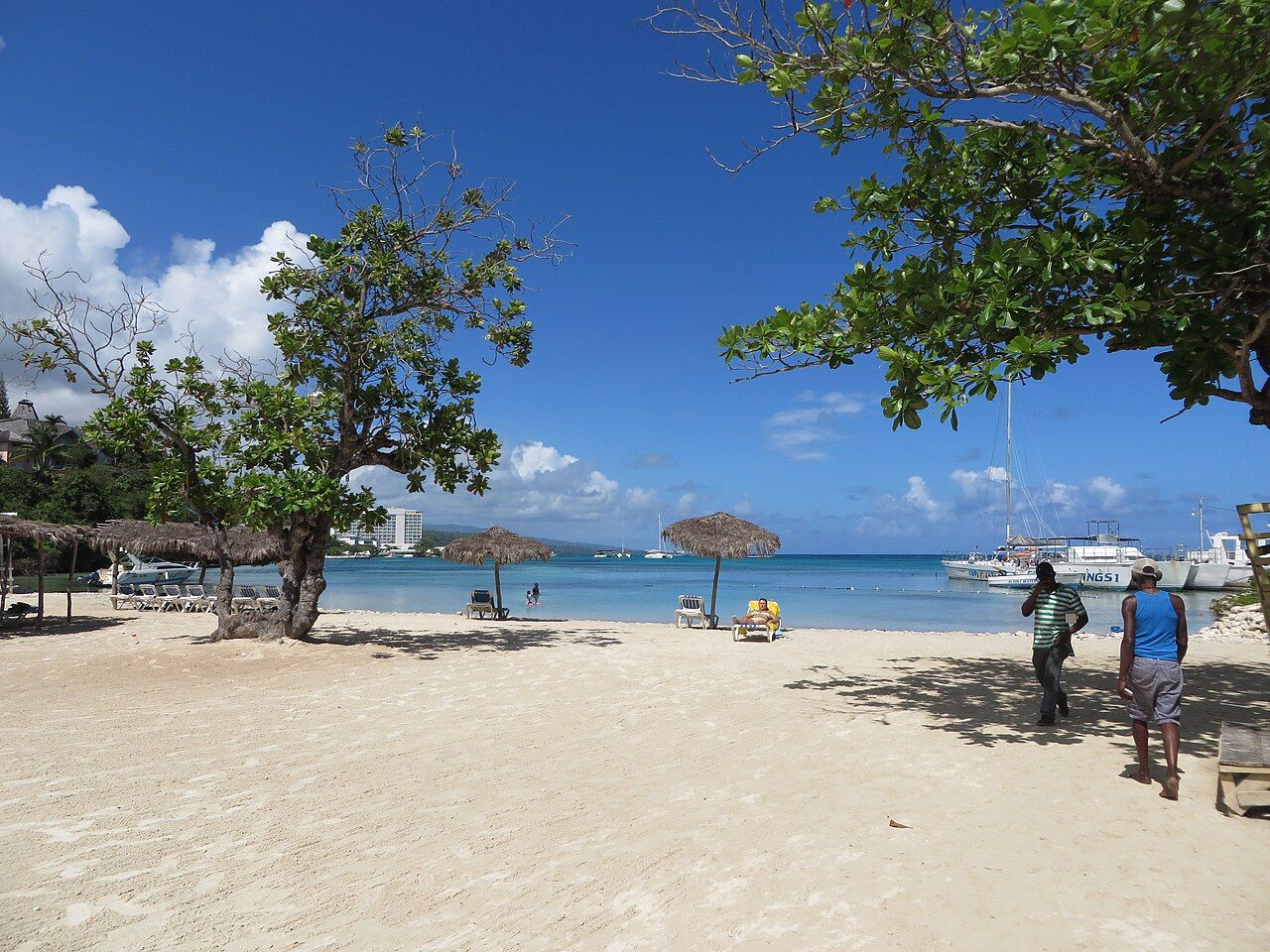
Either way, the town centre is compact and easy to walk. The clock tower marks the main junction, and the beach in the bay is open to the public. Along the shore a little east of the centre, Turtle River Park offers a small green space with ponds and paths.
Moving around sensibly
Ocho Rios is busy, and you will be offered taxis, tours and goods. Use licensed taxis with red plates, agree fares before you set off and keep valuables out of sight. The guide to getting around Jamaica covers route taxis, buses and driving.
Gardens and rivers above the town
The hills behind Ocho Rios hold several gardens and green spaces with views over the bay. Botanical gardens on the slopes above the town have long been popular for quiet walks among tropical plants, flowering trees and small waterfalls.
Further along the coast, the rivers of St Ann and St Mary offer swimming holes and smaller falls. Some are on private land, and some are best reached with a local guide.
History is close by too. A short drive west lies St Ann's Bay, near where Christopher Columbus was stranded for about a year in 1503 and 1504, and where the Spanish later built their first settlement on the island, Sevilla la Nueva. The site is now a heritage park. St Ann's Bay is also the birthplace of Marcus Garvey, one of Jamaica's National Heroes.
Day trips from Ocho Rios
Ocho Rios makes a good base for the middle of the north coast. Inland, the drive up through the hills to Nine Mile, the birthplace and resting place of Bob Marley, takes you through farm villages and red bauxite earth. East along the coast lie Oracabessa, Port Maria and eventually Port Antonio and the Portland coast. West, the highway runs back towards Discovery Bay, Falmouth and Montego Bay.
| Trip | What to expect |
|---|---|
| Dunn's River Falls | Climb the falls, early in the day |
| Fern Gully | Slow drive through fern-lined shade |
| Nine Mile | Hill drive to Bob Marley's birthplace |
| St Ann's Bay | Spanish settlement site and Garvey's birthplace |
Food and evenings
The roadside jerk stands and patty shops along the main roads are a good bet for lunch. In the evenings, the town is livelier than most on the north coast, with music spilling from bars on weekends. The guide to eating in Jamaica explains the dishes worth seeking out.
The dry season, from about December to April, brings the most settled weather and the biggest crowds. The months either side are often quieter and still pleasant, though rain becomes more likely, and heavy rain can make the falls run high and brown. The Atlantic hurricane season runs from June to November, with the greatest risk usually from August to October. Plan around the weather, check the cruise schedule, and give Ocho Rios a full day rather than an hour between ships.
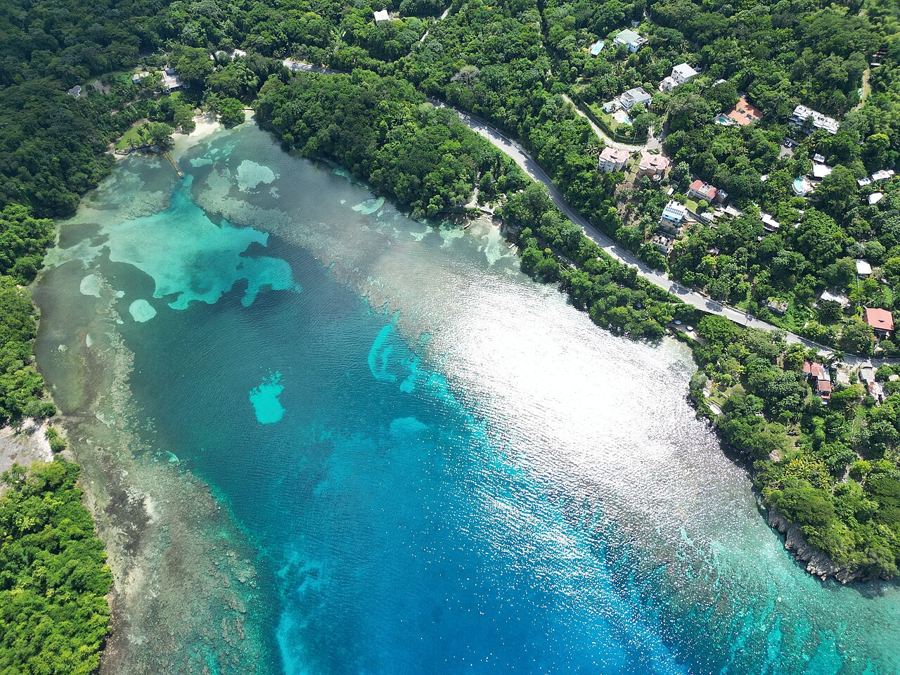 Port Antonio and the green Portland coast
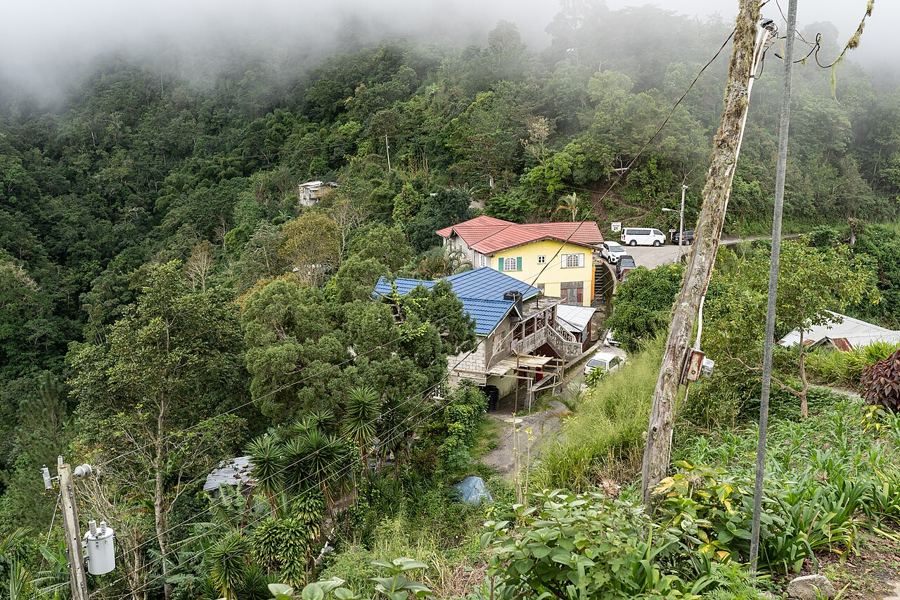 The Blue Mountains and the peak at dawn
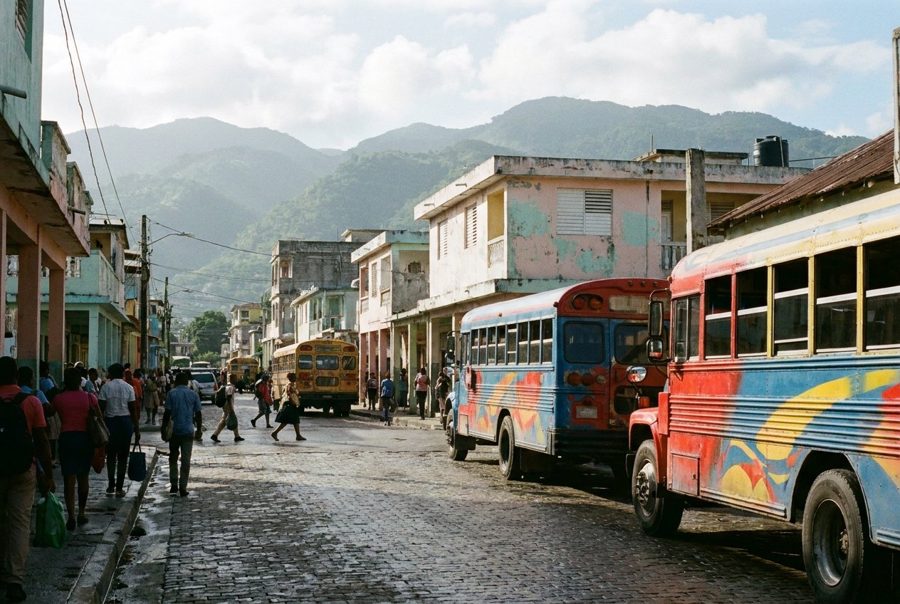 Kingston for a curious first visit