Montego Bay beyond the resorts
Jamaica's second city is more than an airport and a hotel strip. Downtown holds the story of the 1831 uprising, the beaches are open to everyone, and the bay itself is protected water.
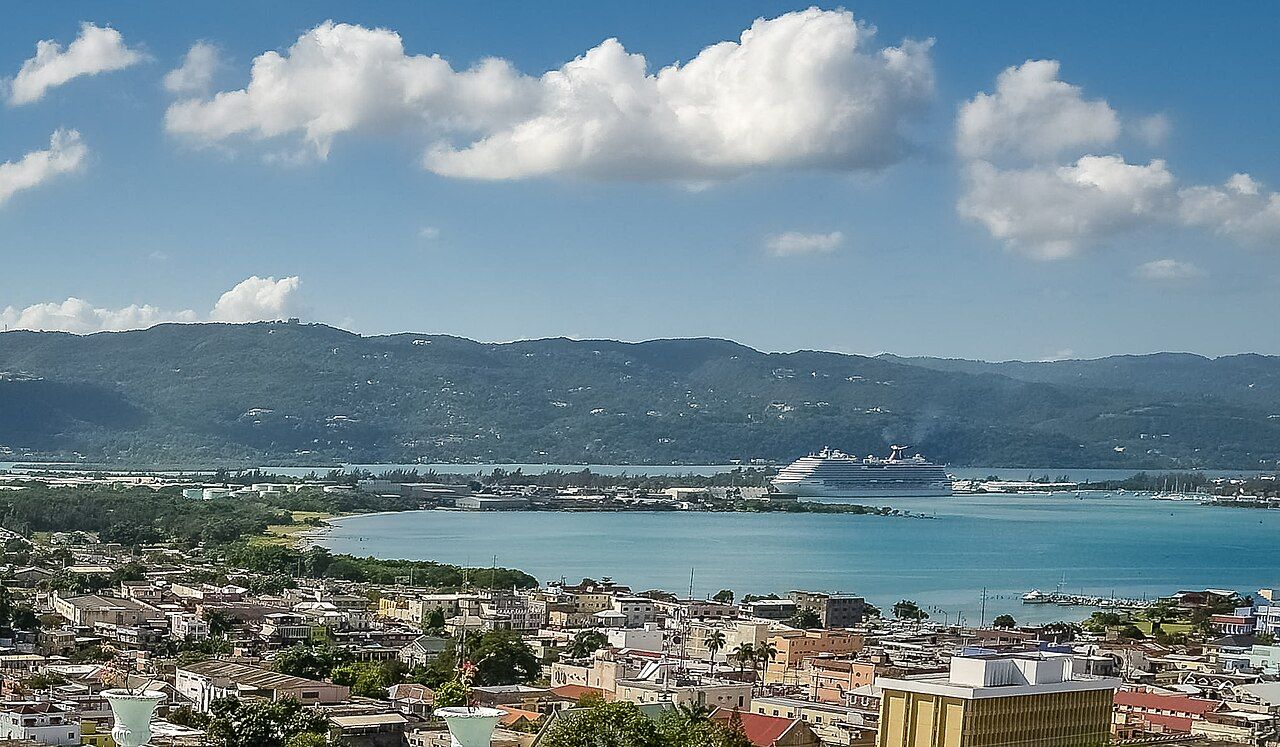
Most visitors meet Montego Bay through a window: the airport arrivals hall, then a short drive along the coast to a hotel gate. That is a pity, because MoBay, as almost everyone calls it, is a working city with a long and serious history, a downtown that rewards a slow walk, and a bay that has been protected as a marine park for decades. It is also the natural starting point for the rest of the island, with the west coast, the north coast and the hills of Trelawny all within a few hours by road.
The city is the capital of the parish of St James and, after Kingston, the largest urban area in Jamaica. It grew as a sugar and shipping port in the eighteenth century, when the plains and valleys behind it were covered with cane estates. Its modern life as a resort began in the early twentieth century, when visitors came for the clear water at what became Doctor's Cave Beach, and the international airport later turned it into the island's main front door.
Downtown and Sam Sharpe Square
Start in the centre, at Sam Sharpe Square. For much of its history this open space was known as the Parade or Charles Square, and it was where public punishments were carried out under slavery. It now carries the name of one of Jamaica's National Heroes, and a group of bronze figures shows Sam Sharpe speaking to listeners gathered around him.
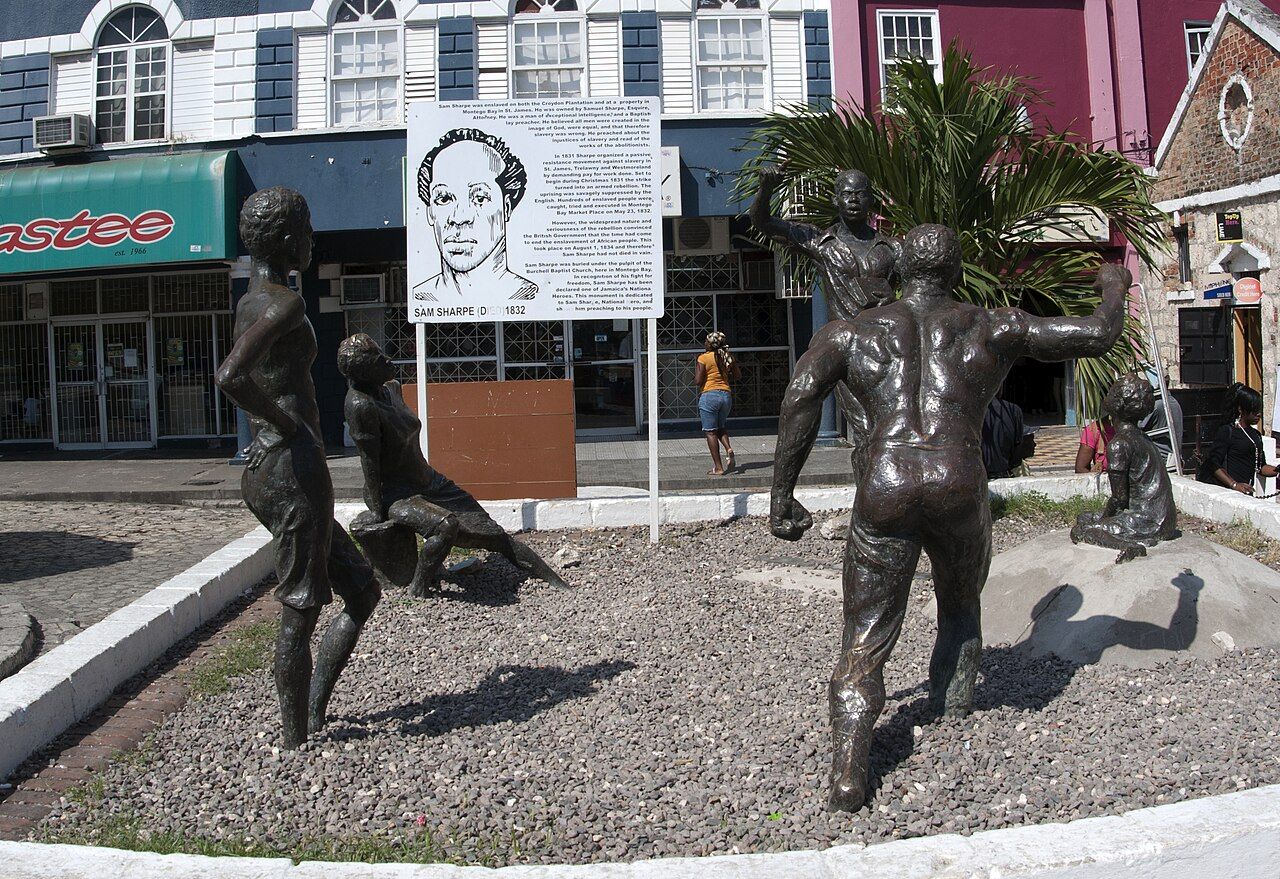
Sharpe was an enslaved man and a Baptist deacon in Montego Bay, respected as a preacher and able to read. In late December 1831 he helped plan a peaceful refusal to work after the Christmas holiday unless the enslaved were paid wages and recognised as free. The protest spread across the western parishes and became an armed uprising, often called the Christmas Rebellion or the Baptist War. Estates and great houses were burned across St James, Trelawny, Hanover and Westmoreland. The colonial response was brutal: hundreds of enslaved people were killed in the fighting or executed afterwards, and Sharpe himself was hanged in Montego Bay in 1832.
The uprising failed on its own terms, yet it shook the British Parliament, and slavery was abolished across the empire within two years.
The uprising failed on its own terms, yet it shook the British Parliament, and slavery was abolished across the empire within two years. The Abolition Act took effect in 1834, followed by a period of so-called apprenticeship that ended with full emancipation in 1838. Sharpe was named a National Hero in 1975.
On one corner of the square stands the Cage, a small stone lock-up from the eighteenth century, used to hold enslaved people found on the streets after curfew as well as drunken sailors. It is a modest building, easy to walk past, and one of the most direct reminders in the city of how ordinary life was policed. Nearby stands the Civic Centre, a cut-stone building that has been used for exhibitions and cultural events.
A short walk away, the Burchell Baptist Church is linked to Sharpe's congregation, and St James Parish Church, a large Georgian building rebuilt after an earthquake in the twentieth century, holds memorials from the plantation era. Treat both as places of worship first: dress modestly and step back during services.
Walking downtown well
- Go on a weekday morning, when the streets are full of people at work and the light is kinder.
- Keep valuables out of sight and carry only what you need, as you would in any busy city centre.
- Ask before photographing people, vendors or their stalls.
- The craft market near the waterfront is a place to haggle politely; a friendly "no thanks" is always fine.
Gloucester Avenue and the public beaches
North of downtown, Gloucester Avenue runs along the shore towards the airport. Locals and visitors know it as the Hip Strip: a line of bars, souvenir shops, small hotels and food stalls with the sea on one side. It is lively by day and louder at night, and it is the part of town most visitors see. Expect to be offered taxis, souvenirs and services as you walk. A calm, polite answer works better than ignoring people.
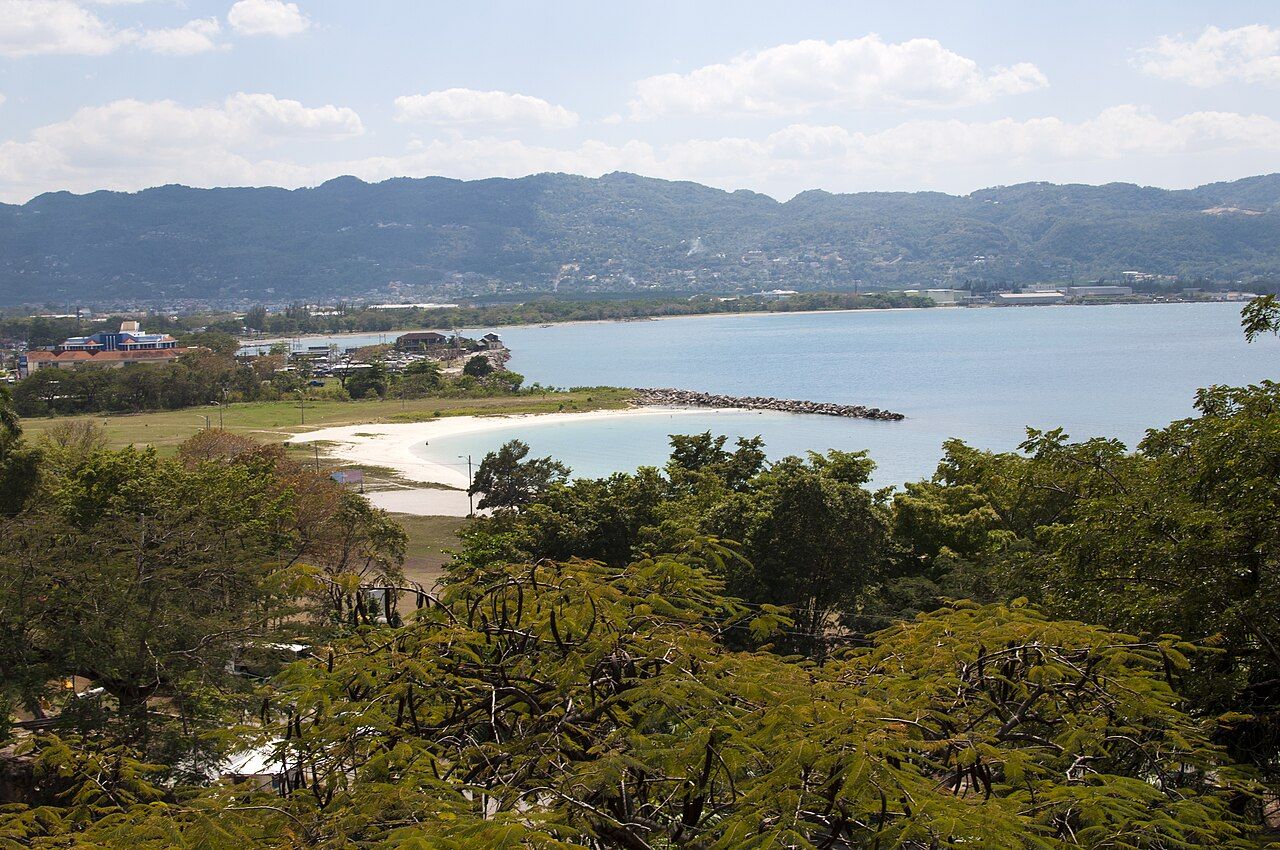
The beaches along this stretch are the easiest swims in the city. Doctor's Cave Beach is the best known, with fine sand and water that is usually clear and calm. It is run as a members' club with an entry charge for visitors, which pays for lifeguards, changing rooms and upkeep. Further along, beaches such as Walter Fletcher and Dead End offer a more local mood, the second right at the end of the airport runway, where people gather to watch planes come in low over the sea.
Jamaica's law gives the public rights of access to the shore in many places, but in practice much of the coast near the city sits behind hotel property.
For a broader look at the coast west of the city, the drive along the shore to the long beach at Negril is one of the classic day trips.
Side tripRose Hall, Greenwood and the plantation pastThe Montego Bay Marine Park
The water in front of the city is not just scenery. The Montego Bay Marine Park was declared in 1992 and covers the bay from the shoreline out past the reef, including mangroves, seagrass beds and coral. It was one of the first marine protected areas in Jamaica, set up because pollution, overfishing and coastal building had put the reefs under heavy pressure.
The park includes the Bogue Lagoon, a large area of mangrove forest on the southern side of the bay. Mangroves act as a nursery for young fish, trap sediment before it reaches the reef and soften storm surges along the shore. The reef itself lies close enough to the beaches that snorkellers can reach it from boats in calm weather, and parts of the bay have been set aside as fish sanctuaries where fishing is not allowed.
If you go out on the water:
- Use only licensed boat operators, and check that life jackets are on board.
- Do not stand on, touch or collect coral, shells or starfish.
- Choose a reef-safe sunscreen and apply it well before you swim.
- Rules on fishing zones and anchoring change; follow the operator's briefing.
Food, markets and the everyday city
Much of the best eating in MoBay happens at the roadside: jerk pork and chicken from smoking drums, patties from bakery counters, fried fish and festival near the water, and fruit sold by the bag from handcarts. You will find more on the island's dishes in the guide to jerk, patties and ackee. Carry small notes, since change can be short.
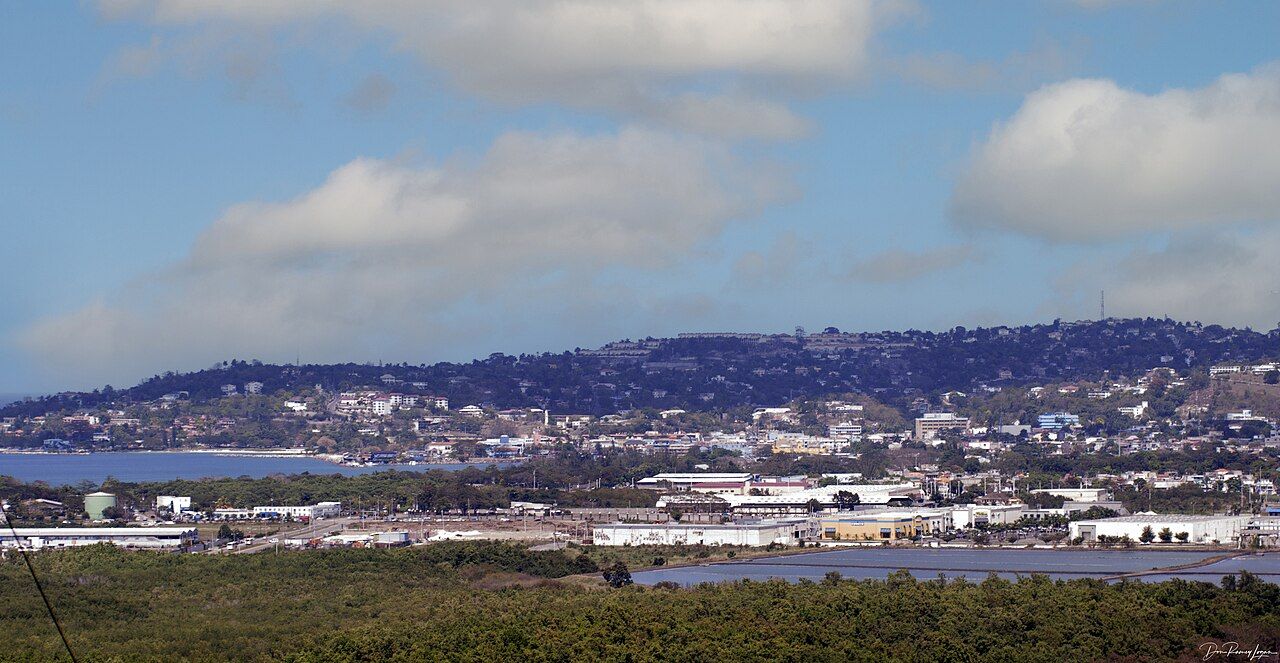
Away from the shore, the city climbs into hills of houses with long views over the bay. Neighbourhoods here are residential, not attractions, and the respectful approach is simply to pass through as a guest.
Evenings bring sound. On weekends you may hear music from sound systems somewhere across the bay, and in July the city has long hosted one of the island's largest reggae festivals.
Using Montego Bay as a base
Because the airport is here and the roads fan out in three directions, MoBay works well as a base for day trips. East along the North Coast Highway lie the great houses at Rose Hall and Greenwood, then Falmouth, the Martha Brae river and the glowing water of the Luminous Lagoon near Falmouth. West lies the Hanover coast and Negril. Inland, the karst hills of Cockpit Country and the bird feeding station at Anchovy are within reach for a day.
| Direction | What lies that way | Rough road time |
|---|---|---|
| East | Rose Hall, Falmouth, Martha Brae | Under an hour |
| East, further | Ocho Rios and Dunn's River Falls | About two hours |
| West | Lucea, then Negril | One to two hours |
| Inland | Cockpit Country edges | About an hour or more |
Road times depend on traffic, roadworks and the hour, so give yourself slack. Licensed taxis carry red licence plates, and route taxis and buses link the city with towns along the coast; the guide to getting around Jamaica explains how they work. Agree a fare before you set off and keep a phone charged.
Most people leave Montego Bay having seen only its edges. A morning downtown, an afternoon at a public beach and an hour on the bay itself give you the city as Jamaicans know it: busy, proud of its history and close to the sea.
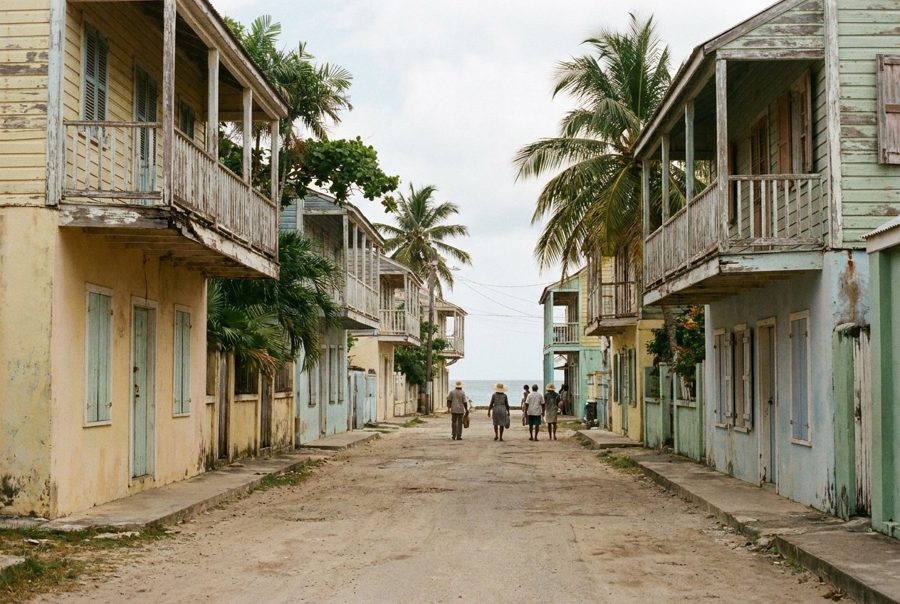 Falmouth, the Georgian port of Trelawny
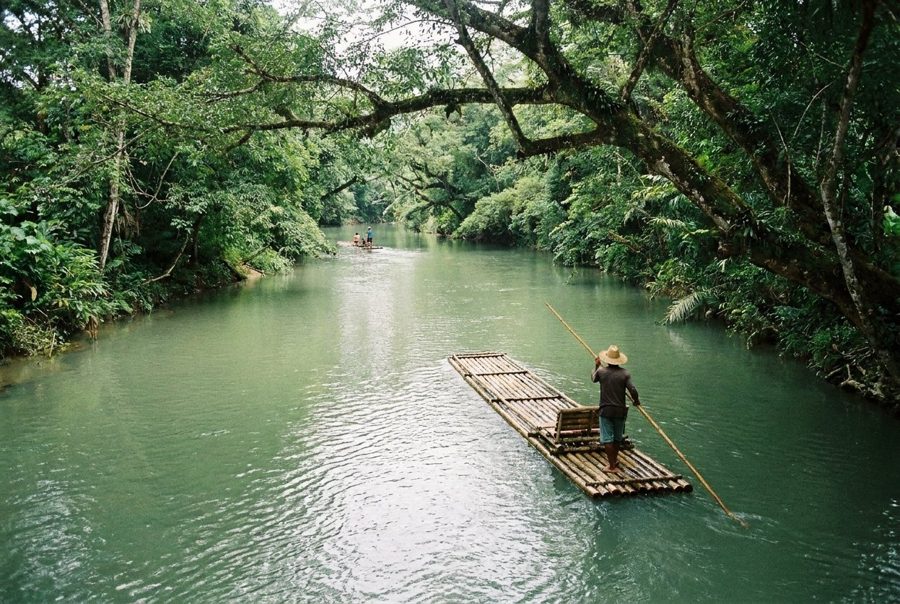 Rafting the Martha Brae
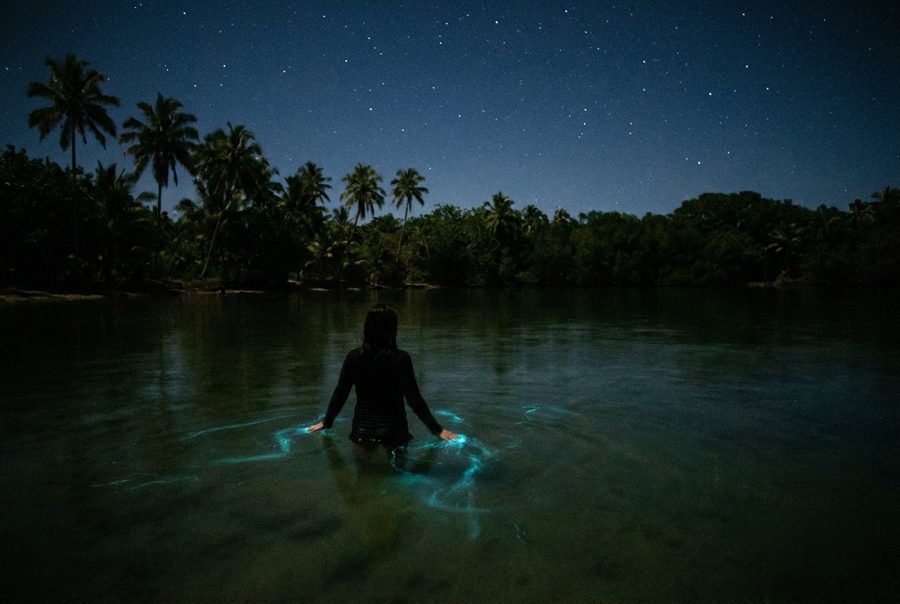 The Luminous Lagoon at night