The Luminous Lagoon at night
East of Falmouth, where the Martha Brae meets the sea, the water lights up blue-green when anything moves through it. Go on a dark night, keep lights off and let your eyes adjust.
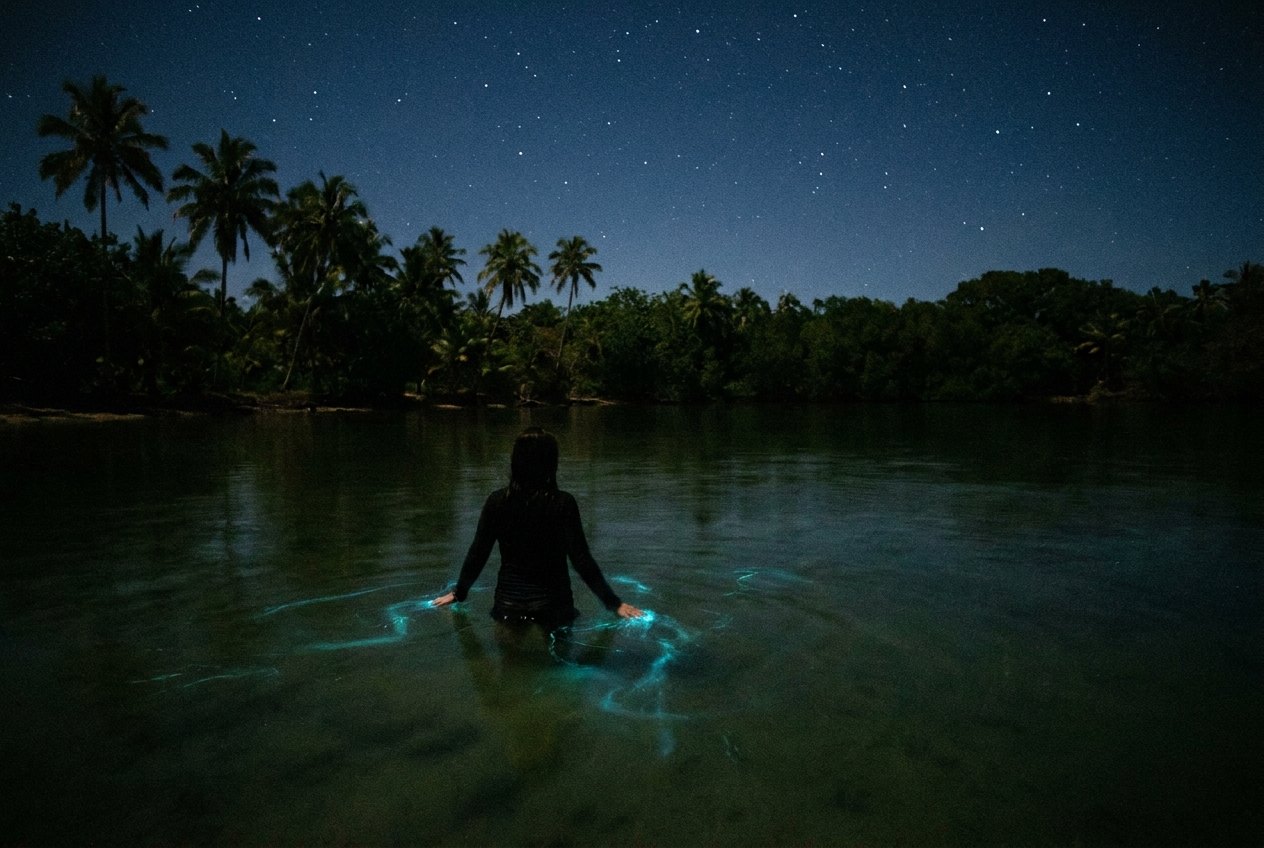
On most evenings the bay just east of Falmouth looks like any quiet stretch of the north coast: mangroves, a few lights, flat dark water. Then a boat moves, or a fish turns, or someone trails a hand over the side, and the water flares with a cold blue-green light. Every ripple glows for a moment and fades. This is the Luminous Lagoon, one of a small number of places in the world where bioluminescence is bright and reliable enough to see on almost any dark night.
Where it is
The lagoon is in the area known as Oyster Bay, in the parish of Trelawny, where the Martha Brae river runs into the sea after its journey down from the hills. The bay is shallow and partly enclosed, edged with mangroves, and the mix of river water and seawater is the key to what happens here.
Several bays around the Caribbean glow in the same way, but few sit so close to a main road and a busy town. That ease of access is part of what makes this one well known, and part of why it needs care.
Boat trips leave from a few landings around the bay in the evening. Access is easy from the North Coast Highway, and Falmouth is only a few minutes away.
How the glow works
The light comes from tiny single-celled organisms called dinoflagellates, a kind of plankton. The species most responsible here is known as Pyrodinium bahamense. When the water around them is disturbed, a chemical reaction inside each cell gives off a brief flash of light. Millions of them flashing together make the water seem to burn.
Scientists think the light may help protect the plankton by startling the small animals that feed on them, or by drawing larger predators to those feeders. Whatever the reason, the effect depends on enormous numbers of cells packed into one place.
Oyster Bay suits them for several reasons. The Martha Brae brings in fresh water and nutrients, and the mangroves add more from their leaves and roots. The bay is shallow and has a narrow link to the open sea, so the water and the plankton in it are not quickly flushed away. Warm temperatures through the year help keep the population high.
Side tripRafting the Martha BraeChoosing your night
The glow is there most nights, but how well you see it depends on how dark it is.
- Go near the new moon if you can. A bright full moon washes out much of the effect.
- Clear, still nights are best. Rain and wind stir the surface and spoil the contrast.
- Wait until it is fully dark. The first boats after sunset often see less than later ones.
- Heavy rain upriver can change the water for a few days.
The glow does not photograph easily. Phone cameras rarely capture it, and flash ruins both the picture and the view for everyone around you. Most people find it better to put the phone away and simply watch.
On the water
Trips are usually short boat rides out into the bay. The captain drives slowly, and the wake behind the boat glows in a long pale trail. Fish dart away from the hull like sparks. Where it is allowed, some operators let visitors slip into the water, and every movement of arms and legs leaves a shimmer.
If you swim, do so only where the boat operator says it is safe. The bay is shallow in places with soft mud, and it is dark. Keep close to the boat, and do not swim if you are uneasy in open water at night.
Keeping the lagoon alive
Bioluminescent bays are fragile. Similar bays elsewhere in the Caribbean have dimmed or gone dark after pollution, dredging and the loss of mangroves. The glow here depends on the river, the mangroves and the shape of the bay staying much as they are.
- Do not use sunscreen or insect repellent right before swimming; apply repellent to clothes rather than skin if you plan to go in.
- Do not touch or stand on the mangrove roots.
- Take all rubbish away with you.
- Choose licensed operators who keep engines slow and boats few.
Coastal development along this part of the north coast has brought concern about the lagoon's future, and local groups have argued for stronger protection. Visiting carefully is the simplest way to help.
Combining it with the day
The lagoon is an evening trip, so it pairs naturally with daytime outings nearby. A morning walk through Falmouth's Georgian streets and an afternoon on a bamboo raft on the Martha Brae fill the day before dark. If you are staying in Montego Bay, the drive back after the trip is straightforward along the highway, but plan your return transport before you go out.
For the bigger picture of the north coast's waters, the guide to the Montego Bay Marine Park and beyond explains how reefs and mangroves along this shore are protected.
Evenings by the water bring mosquitoes and sandflies, so cover up. A light layer helps on the boat if there is a breeze. Bring a towel and dry clothes if you think you might swim, and keep valuables in a waterproof pouch.
Above all, give your eyes time. After ten minutes away from bright lights, the glow that seemed faint at first becomes vivid, and the bay turns into something few visitors forget.
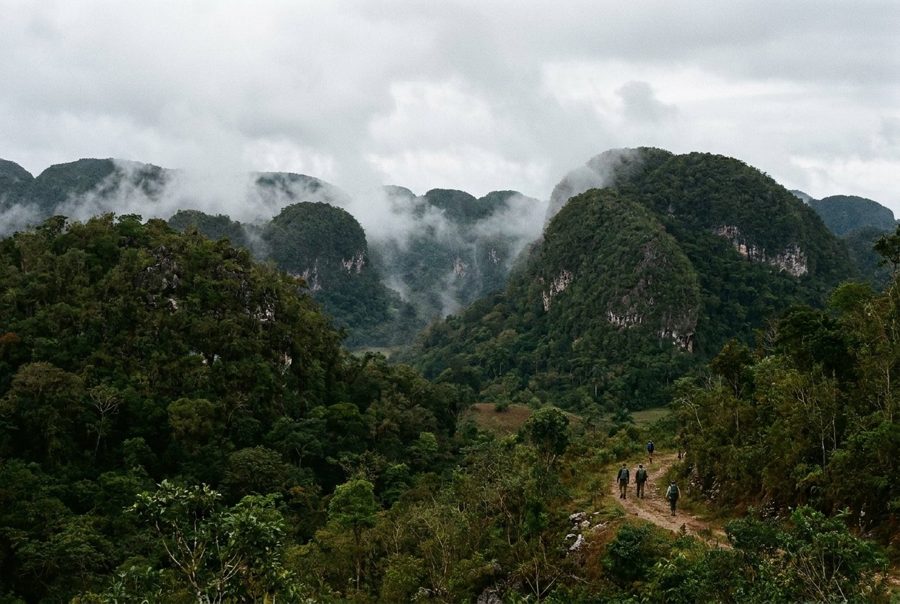 Cockpit Country and the birds of the west
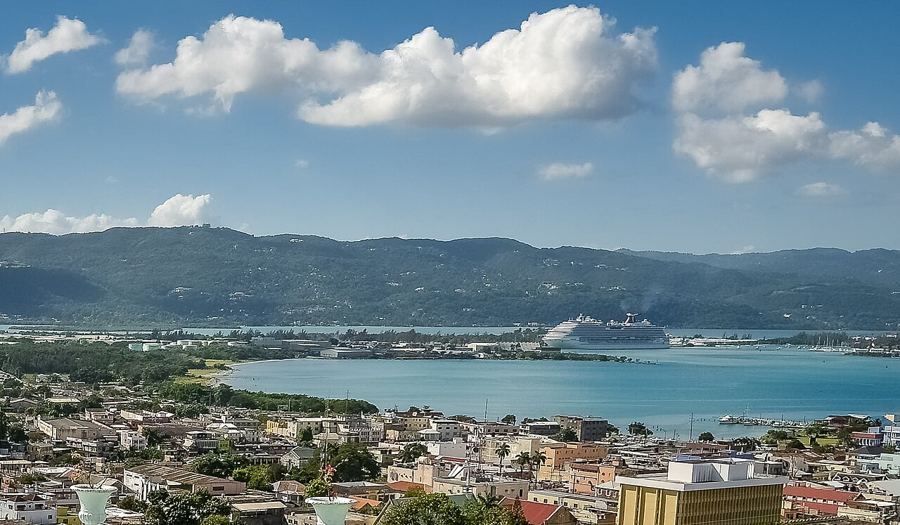 Montego Bay beyond the resorts
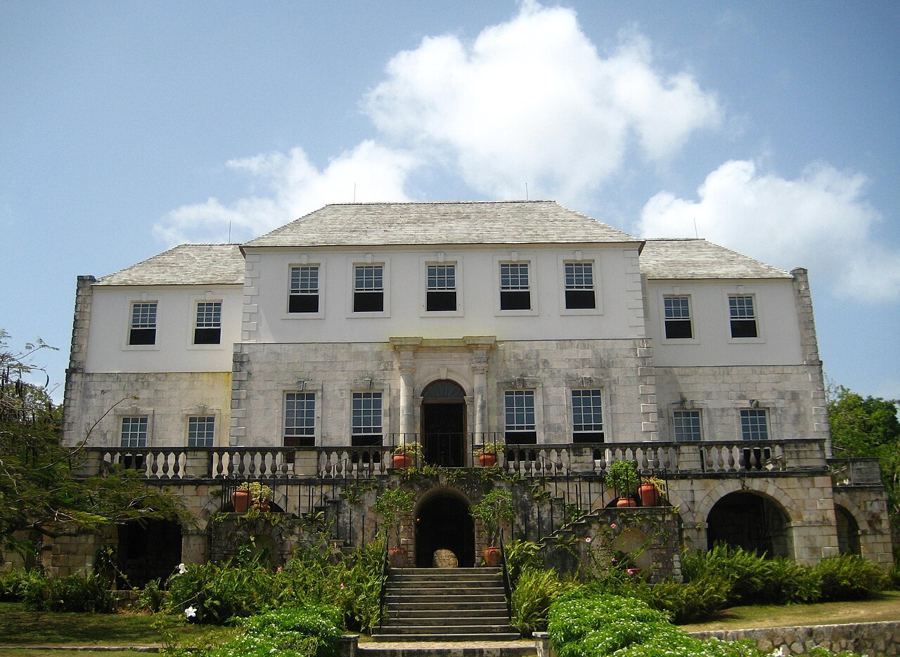 Rose Hall, Greenwood and the plantation past