Jamaica's seasons, rains and hurricanes
Jamaica is warm all year, but the rhythm of dry and wet months, the hurricane season and the island's own calendar of holidays shape every trip. Here is how the year runs.
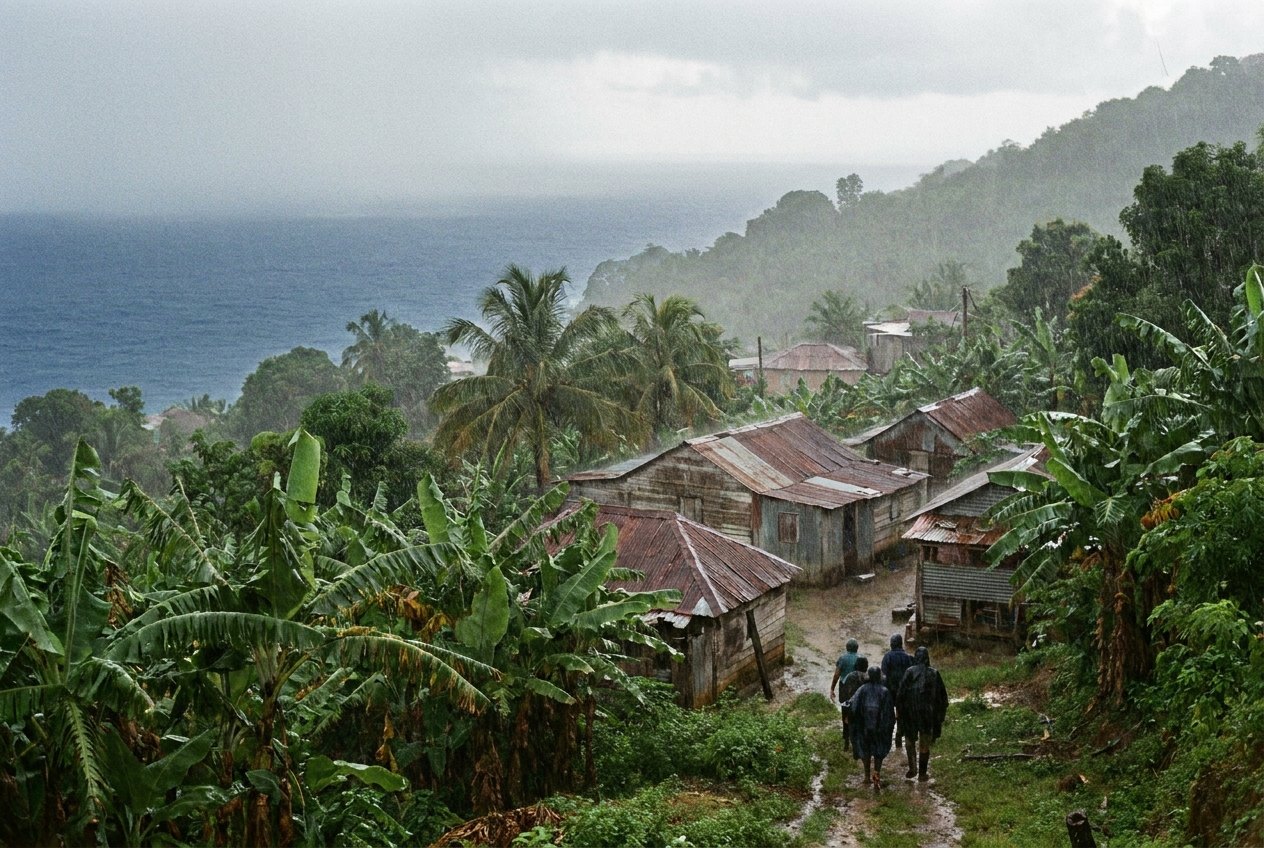
Jamaica sits in the tropics, and on the coast it is warm in every month of the year. What changes through the seasons is rain, humidity, wind and the risk of storms. Those shifts are real, but they are rarely a reason not to come; they are a reason to plan a little differently. The island also varies a great deal from place to place: the north-east is much wetter than the south, and the mountains are far cooler than the beaches.
The dry winter: December to April
The months from December to April are generally the driest and most comfortable. Days are sunny and warm, nights on the coast are pleasant, and the humidity is lower than in summer. Northerly winds sometimes bring cooler spells and rougher seas to the north coast, and occasional showers pass through, but long rainy days are less common.
This is the busiest time for visitors, especially from mid-December to the end of the Easter holidays, so book accommodation early and expect popular places to be busier. It is also the best season for hiking in the Blue Mountains, when the chance of a clear sunrise from the peak is highest, though the summit is cold at night in any month.
The spring rains: May and June
Around May, the first rainy season arrives. Rain often comes as heavy afternoon showers or thunderstorms rather than all-day drizzle, with sunny mornings and green, freshened landscapes afterwards. Rivers rise, waterfalls are full, and the countryside looks its best. Visitor numbers drop, which means quieter beaches and easier bookings.
Late spring is also a good time to see the island's flowering trees. Poinciana, known locally as the flame tree, turns hillsides and roadsides bright red in early summer, and the first mangoes start to appear at the stalls.
The rain can bring flooding on low roads and landslides in the hills.
Summer heat: July and August
High summer is hot and humid, with temperatures on the coast well up and the sea at its warmest. There can be a drier spell in mid-summer between the two rainy peaks, but showers and storms remain possible. This is a lively time on the island: school holidays, family visits and some of the biggest music events, including large festivals in Montego Bay, usually take place in summer. Dates change every year.
The heat is easier to manage if you start early, rest in the middle of the day and head for the water or the hills in the afternoon.
Side tripGetting around Jamaica without a tourHurricane season: June to November
The Atlantic hurricane season officially runs from 1 June to 30 November, with the greatest activity usually from August to October. Most weeks in that period pass without a storm reaching Jamaica, but tropical storms and hurricanes do affect the island in some years, bringing very heavy rain, strong winds and disruption to flights and roads.
- Insurance. Buy travel insurance that covers weather disruption.
- Follow warnings. Watch official forecasts and follow the advice of local authorities and your hosts.
- Stay flexible. Leave some room in your plans, and keep essentials, cash and a charged phone ready.
The second rainy season, roughly September to November, overlaps the peak of the hurricane season. October is usually one of the wettest months. Weather can still be fine for days at a time, and prices and crowds tend to be lower.
Sea, sun and the mountains
The sea around Jamaica is warm enough for swimming in every month, a little cooler in the depths of winter and warmest in late summer. Sea conditions change more than temperature: winter northerlies can bring waves and currents to north coast beaches, while the south coast often has rougher water in the afternoons when the wind picks up.
The sun is strong all year, even on cloudy days, so use high-factor sunscreen, wear a hat and drink plenty of water. In the mountains, the picture is different. At height, temperatures drop sharply, especially at night, and the high ridges can feel chilly and damp in any season. Pack a warm layer and a rain jacket if you plan to go up, even in the heat of summer.
Where the rain falls
Rain is unevenly spread. The north-east, around Port Antonio and the Portland coast, faces the trade winds and gets the most rain, which is why it is so green. The high Blue Mountains are wet and often in cloud. The south coast, including St Elizabeth and the area around Kingston, is much drier, with dry scrub and cactus in places. The west, around Negril and Montego Bay, falls in between. If the weather turns in one part of the island, another may be fine.
Holidays and the island calendar
Jamaica's calendar shapes travel as much as the weather:
- January. The Maroon celebration at Accompong is held every year on 6 January.
- February. Reggae Month, with events around Bob Marley's birthday on 6 February.
- Easter. A major holiday, with bun and cheese, church services and carnival events in some years.
- 1 August. Emancipation Day, marking the end of slavery.
- 6 August. Independence Day, marking independence in 1962, with celebrations across the island.
- October. National Heroes Day, on the third Monday of the month.
- Christmas. Grand Market nights, sorrel and family gatherings.
Public holidays can mean busy roads, closed offices and full beaches. Check the dates for your trip.
 Reggae, ska and the sound of the island
 Jerk, patties and ackee: eating in Jamaica
 Montego Bay beyond the resorts