Kingston, the mountains and the south
The Blue Mountains and the peak at dawn
Above Kingston, the island turns cool, misty and steep: coffee on the slopes, forest trails at Holywell, and a night climb to watch the sun rise from Jamaica's highest point.
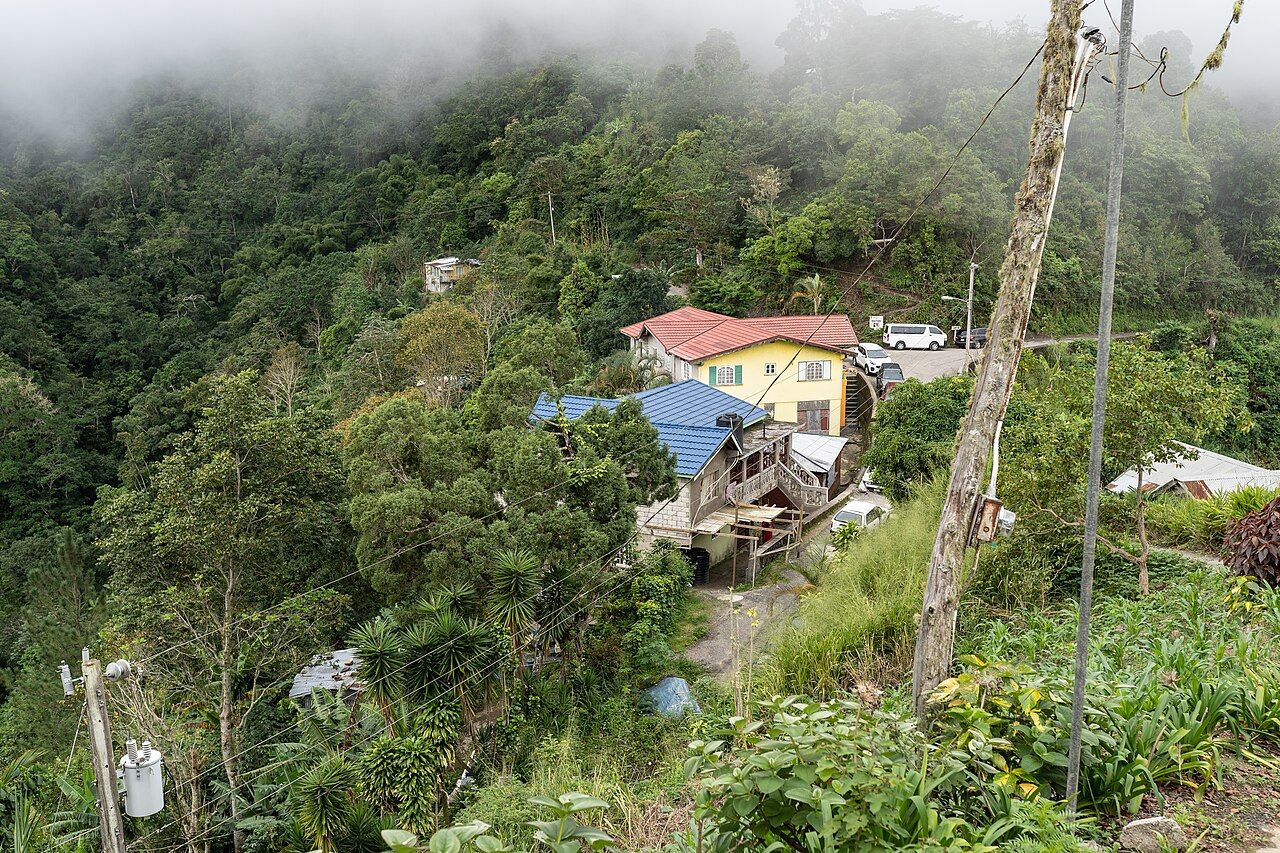
From the waterfront in Kingston you can see the mountains rising behind the city, often with cloud sitting on the ridges. Within an hour's drive the air turns cool, the road narrows to a single winding lane, and the plants change from city gardens to tree ferns, pine and coffee terraces. The Blue Mountains are the other Jamaica: high, damp, quiet and green.
The range runs along the east of the island through the parishes of St Andrew, St Thomas, Portland and St Mary. Blue Mountain Peak, at 2,256 metres, is the highest point in Jamaica. Much of the high ground lies within the Blue and John Crow Mountains National Park, which became a World Heritage Site in 2015, recognised both for its forests and for its link to the Windward Maroons, who found refuge in these hills.
Getting into the mountains
Almost every trip starts in Kingston. Two roads climb into the range from the city. One goes from Papine through Gordon Town towards Mavis Bank, the coffee villages and the trailhead side of the peak. The other climbs from the Stony Hill and Irish Town direction towards Newcastle, a hill station of the Jamaica Defence Force, and on to Hardwar Gap and Holywell.
Both are steep, narrow and full of blind bends. Landslides close sections after heavy rain, and some routes to the upper villages are rough enough that only four-wheel-drive vehicles manage them. If you are not used to mountain driving on the left, a driver who knows the roads is a good investment. From Montego Bay, this is a long day just to arrive; most people spend at least a night in Kingston or in the hills first.
Holywell and the forest trails
Holywell is a recreation area within the national park, at the top of the road past Newcastle, at around 1,000 metres. It is the easiest way to get a feel for the high forest without an overnight hike. Short marked trails lead through montane woodland to lookouts over Kingston and the plains on one side and down towards Portland on the other. On clear mornings the views are wide; by afternoon, cloud often drifts across the ridge and the trees drip with mist.
The forest here is home to many of Jamaica's endemic birds, including the Jamaican tody and the streamertail, the national bird, and the mountains are one of the last homes of the giant swallowtail, the largest butterfly in the Americas. Walk slowly, go early, and you will hear more than you see. There are picnic areas and simple facilities; entry and opening arrangements are set by the park.
The Blue Mountains are the other Jamaica: high, damp, quiet and green.
Coffee country
Coffee came to Jamaica in the 1720s, and the high slopes of the Blue Mountains turned out to be very good for it: cool nights, frequent mist, rich soil and steep, well-drained ground. Jamaica Blue Mountain coffee is a protected name, grown only within a defined area of these mountains, and it is one of the best-known coffees in the world.
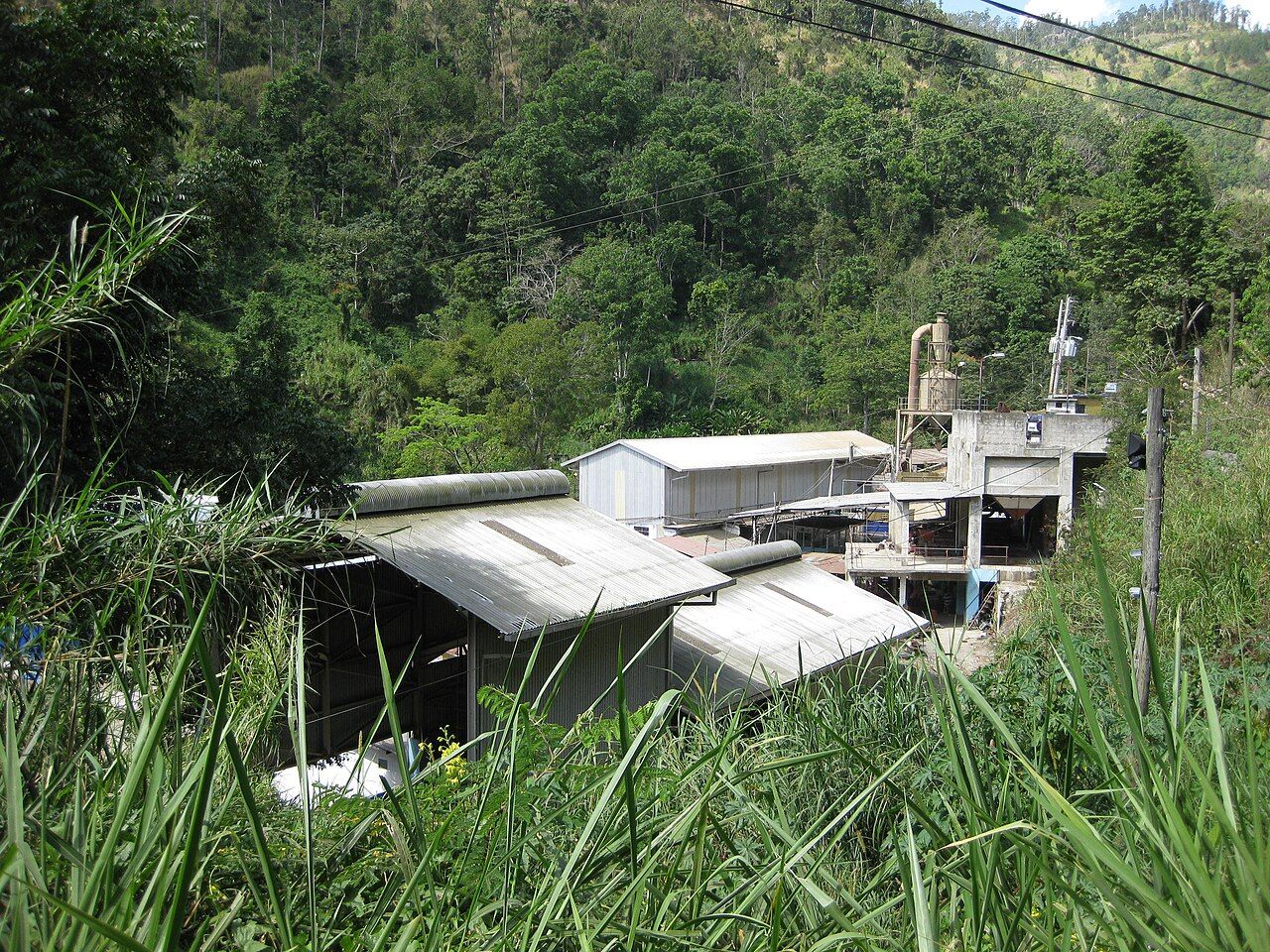
Side tripPort Antonio and the green Portland coastDriving through the area around Mavis Bank, Section and Clydesdale, you pass terraces of dark-leaved coffee bushes clinging to slopes that look too steep to work. The harvest runs mostly from late summer into the new year, when the red cherries are picked by hand. Several farms and estates welcome visitors to see how the beans are picked, pulped, dried and roasted, and to taste the result. Buying beans directly in the mountains is a good way to take a piece of the place home.
The night hike to Blue Mountain Peak
The classic way to see the Blue Mountains is to stand on the summit at sunrise. That means starting in the dark. Hikers usually stay the night near the trailhead above Mavis Bank, around Penlyne and Abbey Green, sleep for a few hours, and set off in the small hours of the morning.
The trail
The path to the peak is long and steady rather than technical, climbing through coffee, then forest, then low, wind-shaped trees and ferns near the top. Expect several hours of uphill walking in each direction. The surface is rocky and can be muddy and slippery after rain. In the dark you will need a good headlamp and spare batteries.
At the top
At the summit it is cold, often far colder than people from the coast expect. Wind and damp make it feel colder still while you wait for the light. On a clear morning the sun comes up over the ocean to the east, and the island spreads out below: ridges, valleys, the plains around Kingston, the coast. On other mornings, the summit is wrapped in cloud and you see very little. That is part of the gamble, and the walk through the waking forest on the way down is worth it either way.
Going with a guide
The trail can be confusing in the dark, the weather changes quickly, and help is far away. Go with a licensed local guide who knows the route and the conditions. Guides can also arrange the transport up the rough road from Mavis Bank, which is often the hardest part of the logistics.
Weather and planning
The mountains make their own weather. The drier months, roughly December to March, give the best chance of a clear summit, though rain is possible in any month. The wetter seasons bring heavy downpours, washed-out roads and cloud that can last for days; the guide to Jamaica's seasons explains the yearly pattern.
- Layers. Pack a warm fleece or jacket, a rain shell, a hat and gloves for the summit, even if the coast is hot.
- Water and food. There is little to buy on the trail. Carry enough for the round trip.
- Footwear. Wear boots or shoes with real grip; the mud near the top is slick.
- Fees and access. The national park and some trails charge for entry or require a guide.
- Respect. Stay on the trails, take all litter out with you and leave plants where they grow.
Staying in the hills
Spending at least one night up in the mountains changes the trip. Small guesthouses, cabins and simple hikers' lodgings are scattered through the coffee villages and along the ridge roads, and the park has basic camping and cabin options at certain sites. Evenings are cool and very quiet, with frogs and insects instead of traffic, and the morning light over the valleys is often the clearest of the day. Book ahead in the busy winter months, and confirm how you will reach the place, since some are only accessible by rough tracks.
Pair the mountains with a few days in Kingston, or with the coast road down into Portland. Either way, the change of air alone makes the trip worthwhile.
 Kingston for a curious first visit
 Port Royal, the town the sea took
 Black River, YS Falls and Treasure Beach