Cockpit Country and the birds of the west
South of the north coast, the land breaks into a maze of round green hills and deep hollows. Cockpit Country holds Jamaica's wildest forest, its Maroon history and many of its endemic birds.
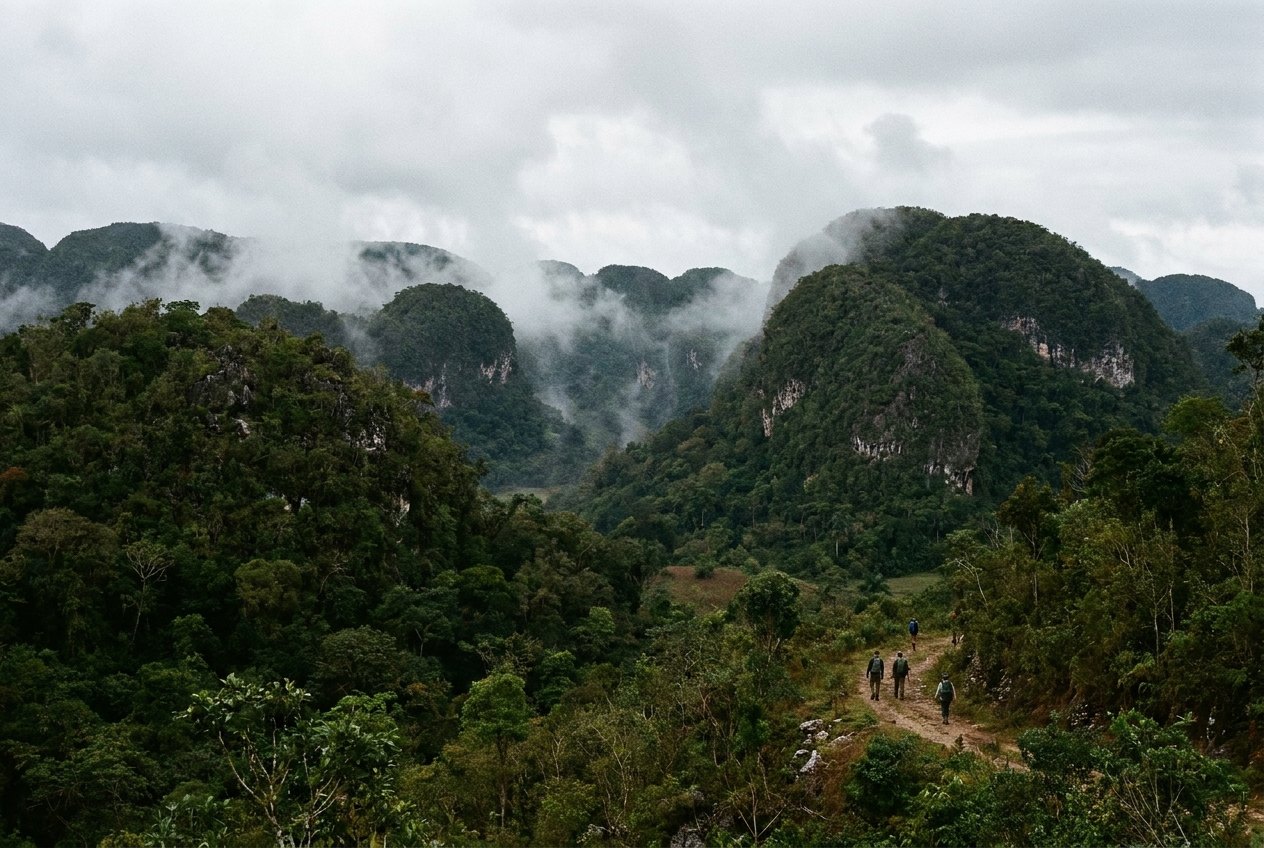
Drive inland from the coast at Falmouth or Montego Bay and the land changes quickly. Sugar plains give way to rising ground, and then to a landscape unlike anywhere else on the island: hundreds of steep, rounded, forest-covered hills packed together, with deep bowl-shaped hollows between them. This is Cockpit Country, a block of limestone uplands spread mainly across Trelawny and reaching into neighbouring parishes. It holds the largest area of near-natural forest left in Jamaica.
A landscape made by water
Cockpit Country is a classic example of karst, a landscape formed when rainwater slowly dissolves limestone. Over long ages, water seeping through cracks has hollowed out sinkholes and caves and left the round hills standing between them. The hollows, the "cockpits" that give the region its name, are often closed basins with no surface stream; rain drains straight down into the rock.
The result is very hard country to cross. There are few roads through the interior and many hills look alike, which is why parts of it have long carried names that warn travellers off. Underground, the water gathers into rivers that emerge at the edges. Several of the rivers that run to the north coast, including the Martha Brae, begin in or near these hills, and the region is a vital source of water for western Jamaica.
Maroon country
The same broken terrain made Cockpit Country a refuge. People who escaped slavery under the Spanish and then the British formed free communities in the interior, known as the Maroons. In the west, the Leeward Maroons fought the British for years in these hills before a peace treaty was signed in 1739. The treaty recognised their freedom and gave them land, in return for terms that included returning future runaways, a clause that is still discussed and debated.
The Maroon town of Accompong, on the southwestern edge of Cockpit Country in St Elizabeth, keeps that history alive and celebrates the treaty each January. The guide to Accompong and the Maroons covers it in depth.
The birds of the west
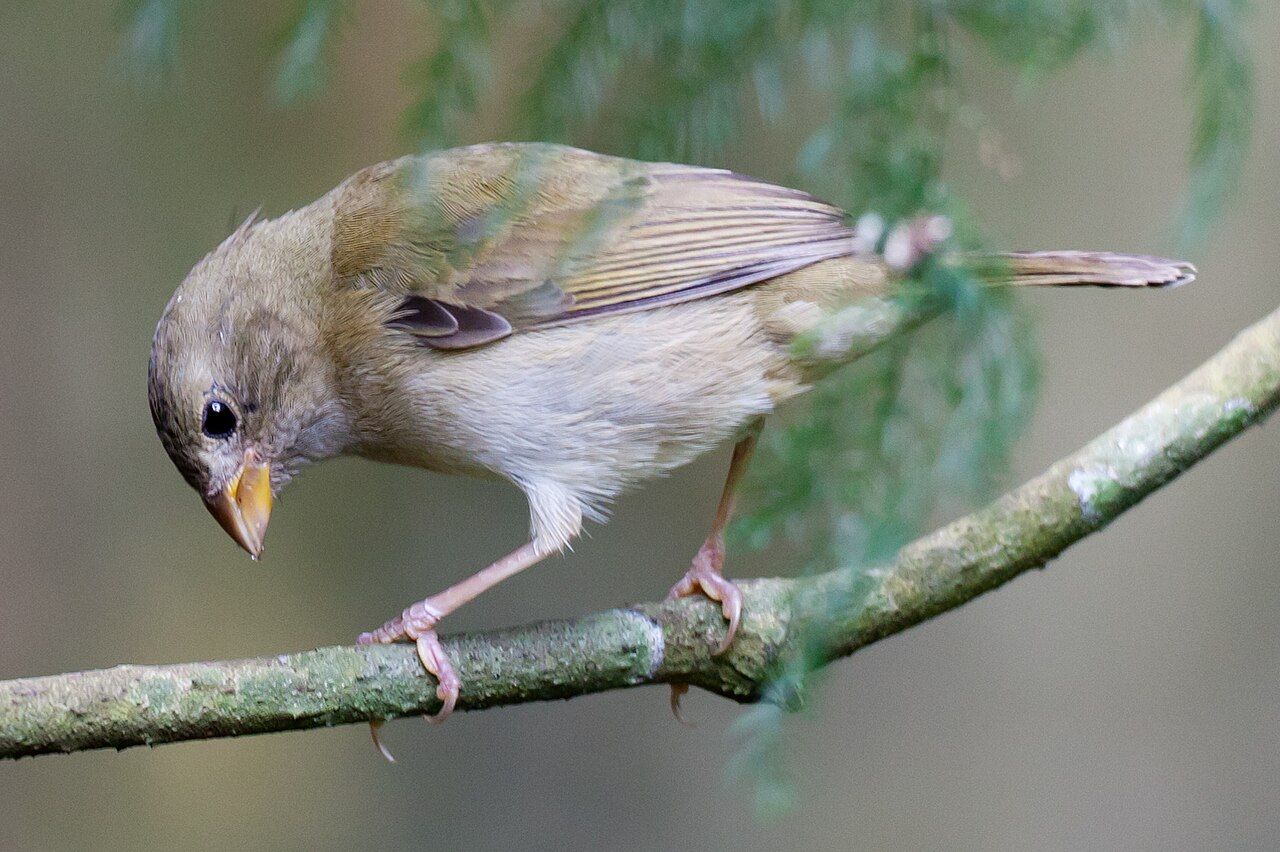
Jamaica has more than two dozen bird species found nowhere else on earth, and Cockpit Country is one of the best places to look for them. Early morning, when the forest is cool and loud with calls, is the time to go.
A good guide will know birds by their calls long before you see them, and will know which trees are fruiting and where the parrots are feeding that week. Patience matters more than distance: many visitors see more by standing still at a forest edge for an hour than by walking for three.
Birds you may see or hear include:
- The red-billed streamertail, Jamaica's national bird, known locally as the doctor bird, a hummingbird whose males carry two long tail streamers.
- The Jamaican tody, a tiny bright green bird with a red throat that nests in burrows in earth banks.
- The black-billed and yellow-billed parrots, both endemic, which travel noisily in small groups.
- The Jamaican woodpecker, the Jamaican crow and the Jamaican owl.
Cockpit Country is also important for other wildlife, including rare frogs, reptiles and the Jamaican giant swallowtail, one of the largest butterflies in the Americas. Many of its plants grow nowhere else.
The feeding station at Anchovy
If a forest walk is not practical, the Rocklands bird feeding station near Anchovy, in the hills south of Montego Bay, offers a gentler introduction. It has been welcoming visitors for decades, and in the afternoons hummingbirds, including doctor birds, come to feeders close enough that visitors can sometimes hold one out by hand.
Caves and the forest edge
Around Windsor, on the northern edge of the region in Trelawny, a large limestone cave system is home to big colonies of bats. The cave is a protected and sensitive place; it should only be entered with a knowledgeable local guide, and some sections are closed to visitors. Bats are easily disturbed, and cave floors can be slippery and uneven.
From the forest edge near Windsor and other communities, tracks lead into the hills. Even short walks give a strong sense of the place: tall trees hung with bromeliads, the sound of birds, limestone underfoot and sudden views across a sea of green humps.
Walking safely
- Hire a guide from a community on the edge of the forest. Guides know the trails, the birds and the land, and it keeps money in the area.
- Wear closed shoes with good grip. The limestone is sharp and the paths are often wet.
- Bring water, a rain layer and insect repellent. Showers can arrive suddenly.
- Do not leave the path or enter caves alone. Sinkholes can be hidden by vegetation.
- Expect weak or no phone signal in the interior.
A place under pressure
For years Cockpit Country has been at the centre of debate over bauxite mining, quarrying and land clearance. Conservation groups and nearby communities have campaigned to protect the forest and the water it supplies, and the government has declared protected boundaries for part of the area. The details continue to be discussed, so read local news if you want to follow it.
Visiting with a local guide is one of the simplest ways to show that the forest has value standing. Combine a morning walk here with a slow afternoon on the Martha Brae river, which rises in these hills, or a visit to the old port of Falmouth on the coast below.
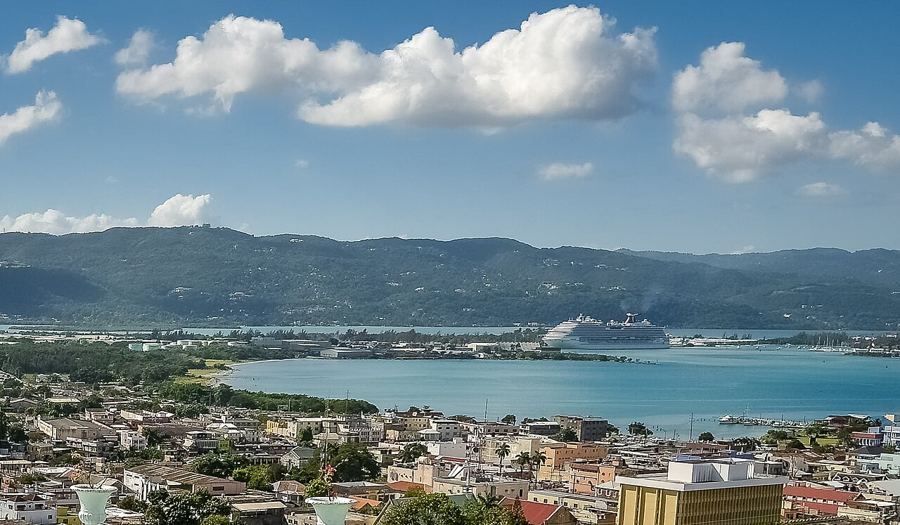 Montego Bay beyond the resorts
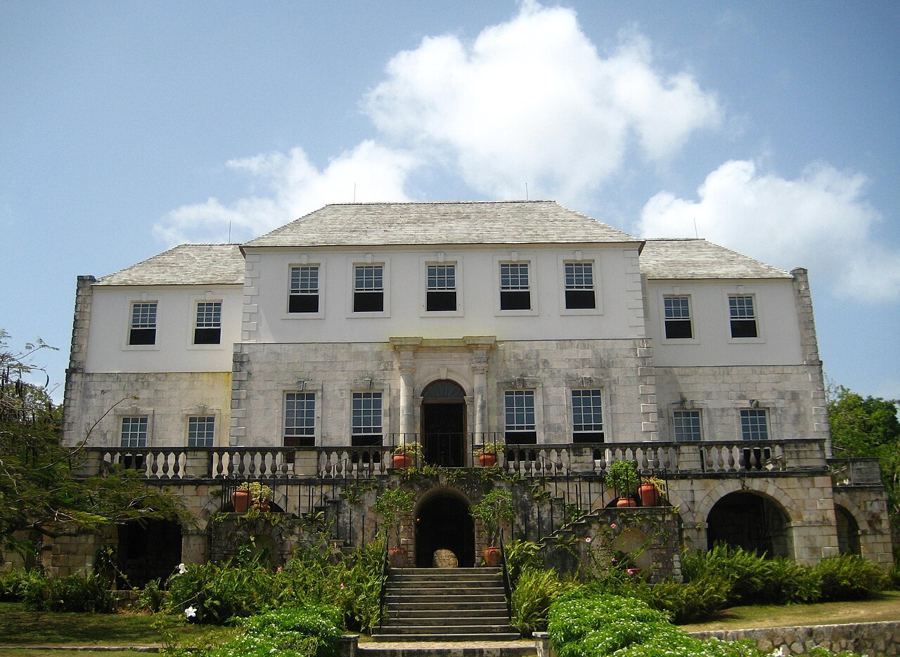 Rose Hall, Greenwood and the plantation past
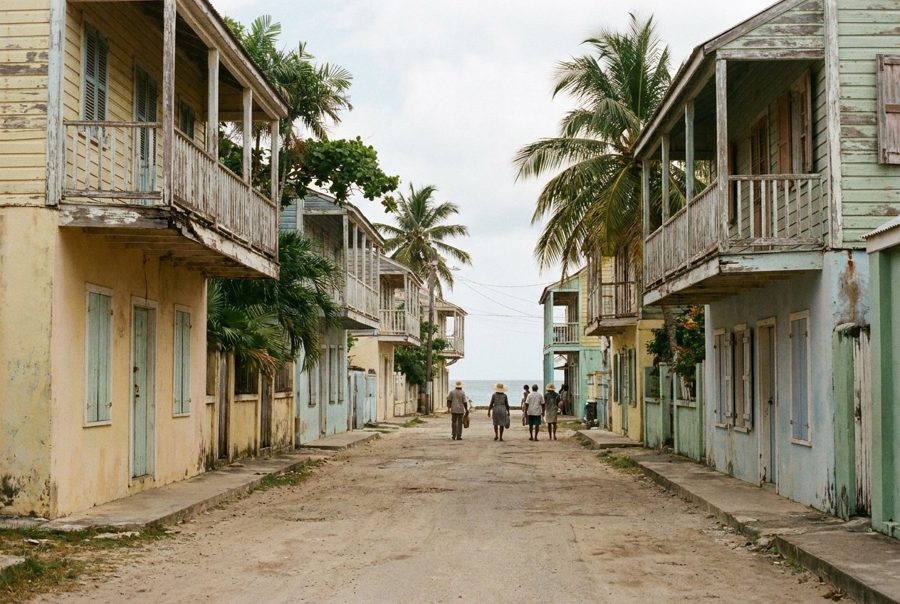 Falmouth, the Georgian port of Trelawny