Rose Hall, Greenwood and the plantation past
Two great houses stand on the hills east of Montego Bay. One is wrapped in a famous ghost story; the other keeps a family's furniture and music. Both were built on enslaved labour.
The coast east of Montego Bay looks today like golf courses, hotel lawns and new housing. Two centuries ago it was sugar country, divided into estates where hundreds of enslaved Africans cut cane, boiled sugar and distilled rum for owners who often lived in Britain. The great houses on the hillsides were the visible top of that system. Two of them, Rose Hall and Greenwood, are open to visitors and make a good half-day trip from the city.
They are very different visits. Rose Hall is grand, restored and famous for a legend. Greenwood is smaller, older in feel and full of the objects a planter family actually owned. Seen together, they give a clearer picture of the plantation past than either one alone, as long as you keep in mind who did the work that paid for them.
Rose Hall Great House
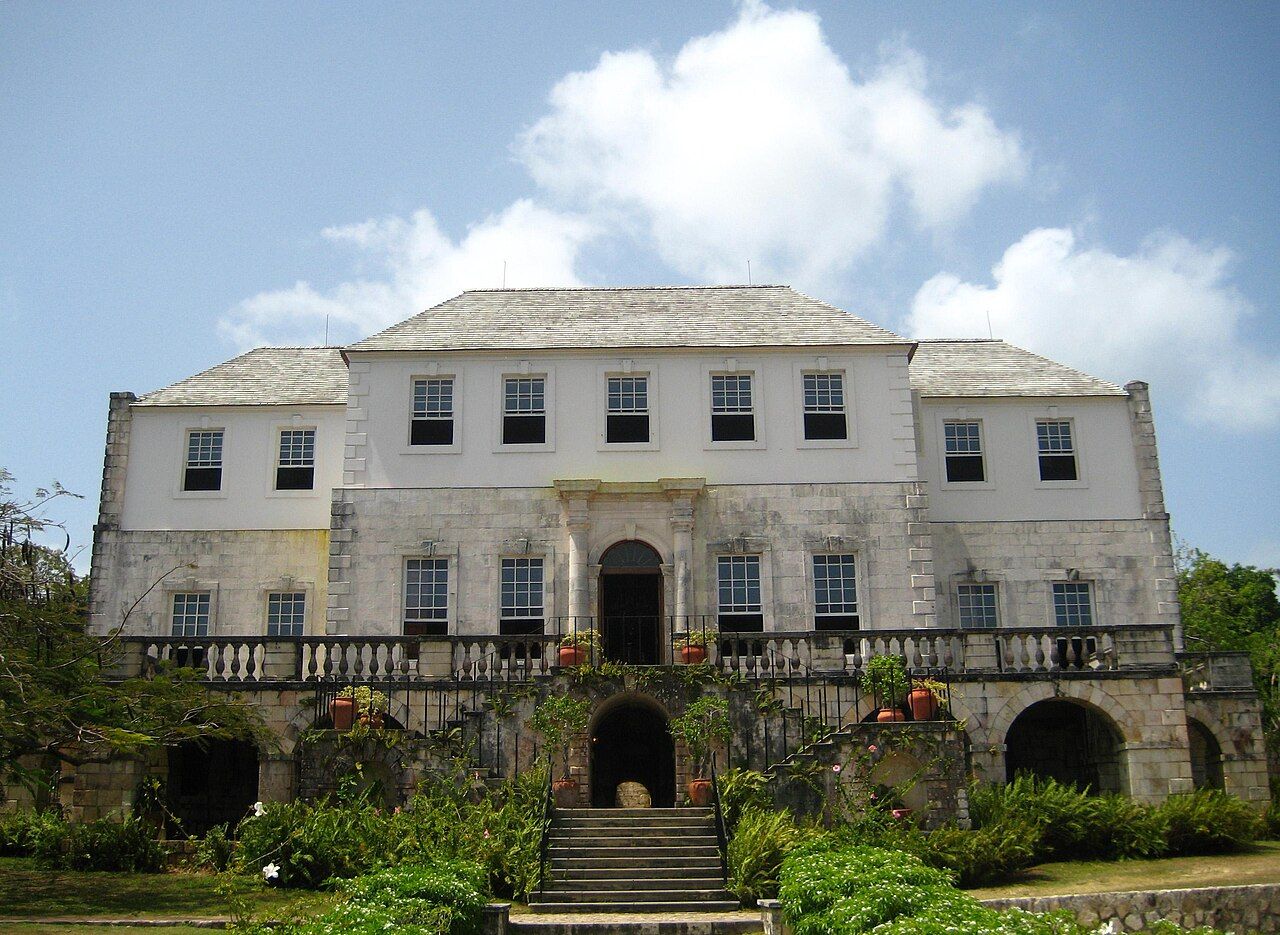
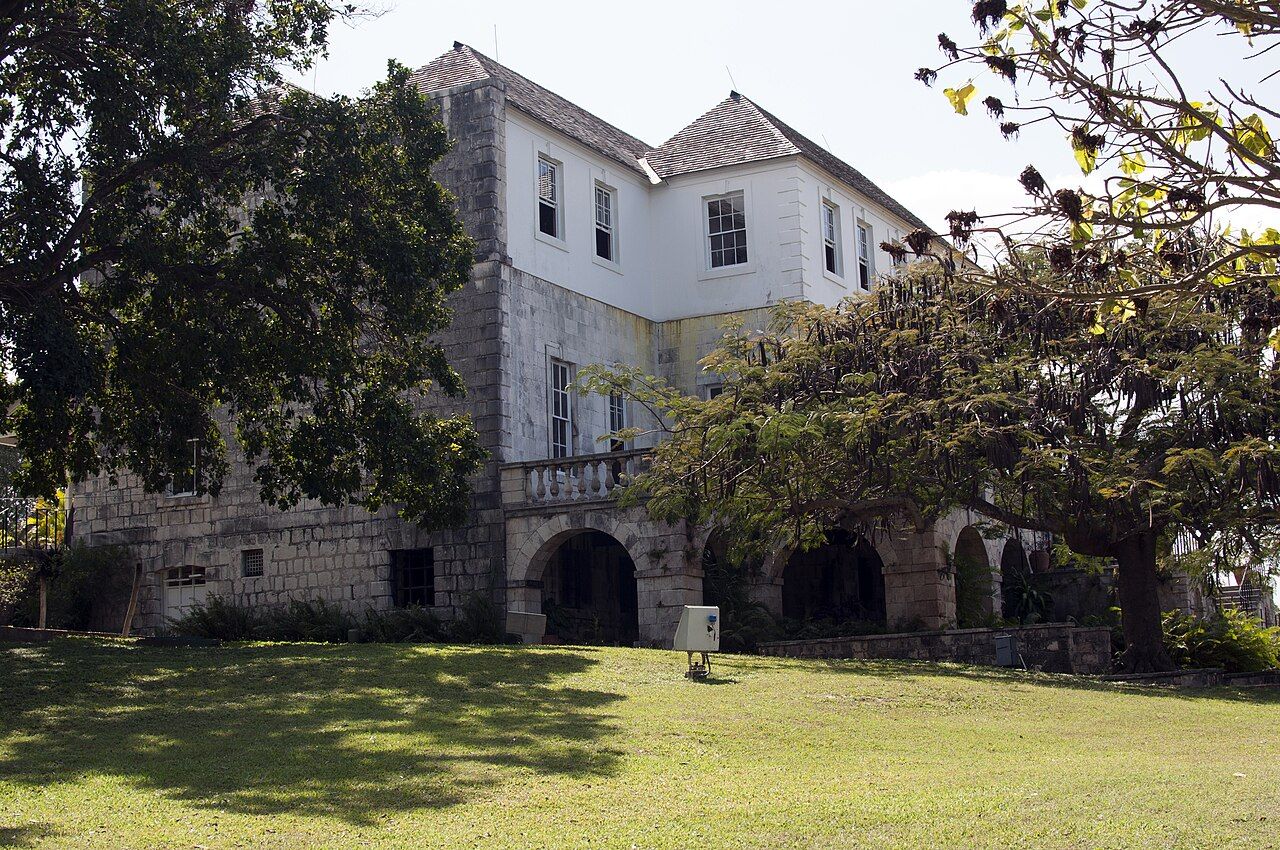
Rose Hall stands on a slope above the coast road, a pale Georgian mansion with wide stone steps and a view out to sea. It was built in the second half of the eighteenth century for John Palmer and his wife Rosa, and it was regarded at the time as one of the finest houses on the island. Like many great houses, it fell into ruin in the century after emancipation, when sugar no longer paid and owners left.
The house you see today is largely the product of a careful restoration carried out in the 1960s and 1970s. The interior has been furnished with period pieces, many brought in from elsewhere, so the rooms show how such a house might have looked rather than exactly what the Palmers owned. That is worth knowing as you walk through the mahogany-floored rooms and the bedrooms upstairs.
The legend and the record
Most visitors come for one story: that of Annie Palmer, the White Witch of Rose Hall. In the version told on tours, she was a cruel mistress who practised witchcraft, murdered a series of husbands and lovers, and was killed in turn by those she had abused. Her ghost is said to walk the house still, and evening tours make the most of the candlelight and the cellar.
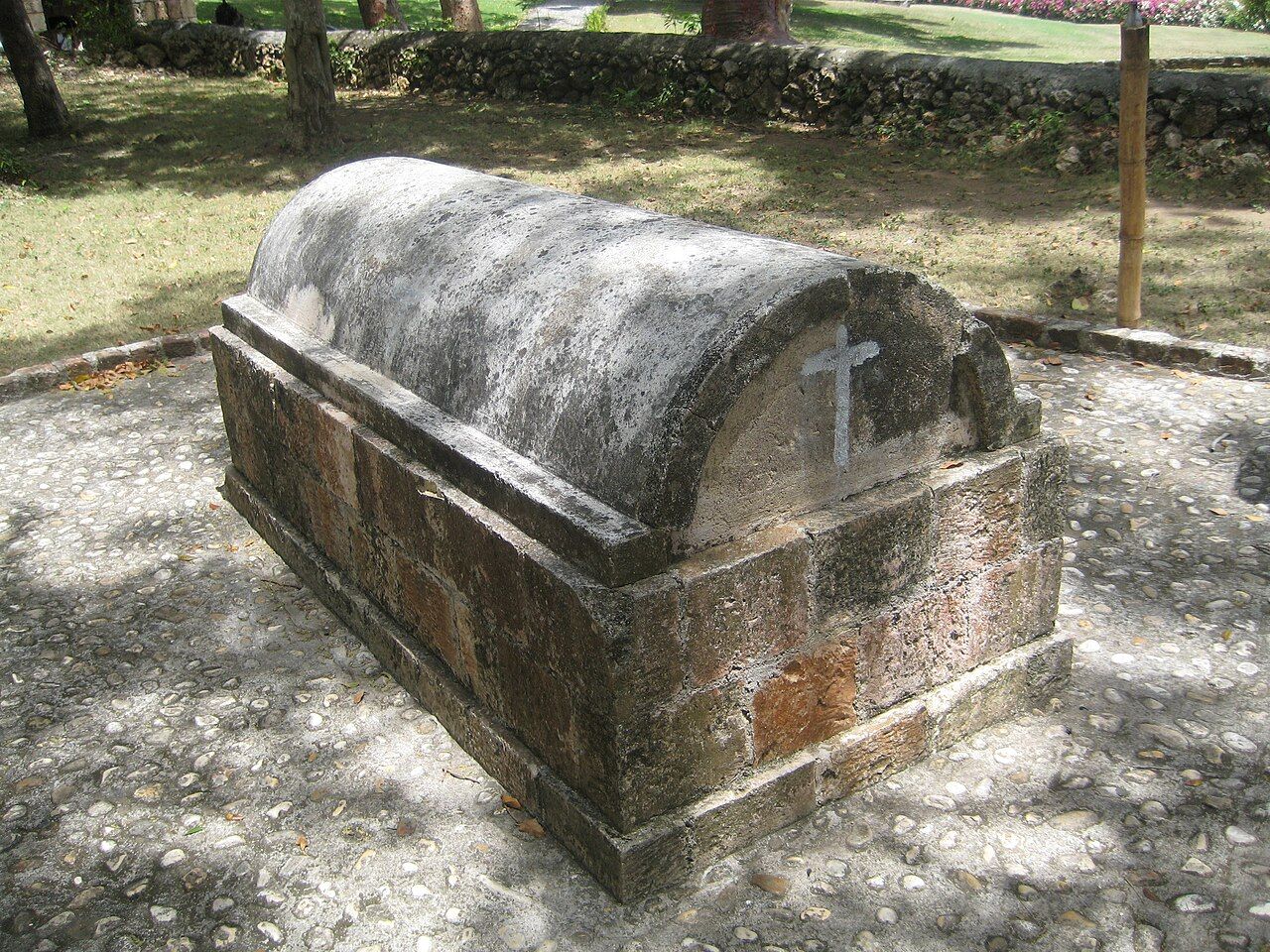
The legend owes a great deal to a novel, The White Witch of Rosehall, published by the Jamaican writer Herbert de Lisser in 1929, and to later retellings. Historians who have looked into the estate records have found that the real Annie Palmer, who married into the family in the nineteenth century, does not match the figure of the story, and that much of the tale draws on older rumours mixed with fiction. Enjoy the story as a story.
The more lasting truth of Rose Hall is less dramatic and far heavier: the house was paid for by the labour of enslaved people whose names are mostly lost.
The more lasting truth of Rose Hall is less dramatic and far heavier: the house was paid for by the labour of enslaved people whose names are mostly lost. Estate inventories from the period list them by first name, age and value alongside cattle and equipment. When a guide moves quickly past this to reach the next ghost, it is fair to ask about it.
Greenwood Great House
A little further east, on a ridge above the sea, Greenwood Great House is quieter and more personal. It was built in the early nineteenth century by the Barrett family, one of the large landowning families of the north coast and relatives of the English poet Elizabeth Barrett Browning. The family's wealth came from sugar estates in St James and Trelawny that relied on the labour of enslaved Africans.
Unlike most great houses, Greenwood kept much of its original contents. The rooms hold furniture, books, portraits and a collection of old musical instruments, among them mechanical players and early music boxes, which the guides often demonstrate. Because the objects belonged to people who lived here, the house gives a closer sense of daily life at the top of plantation society.
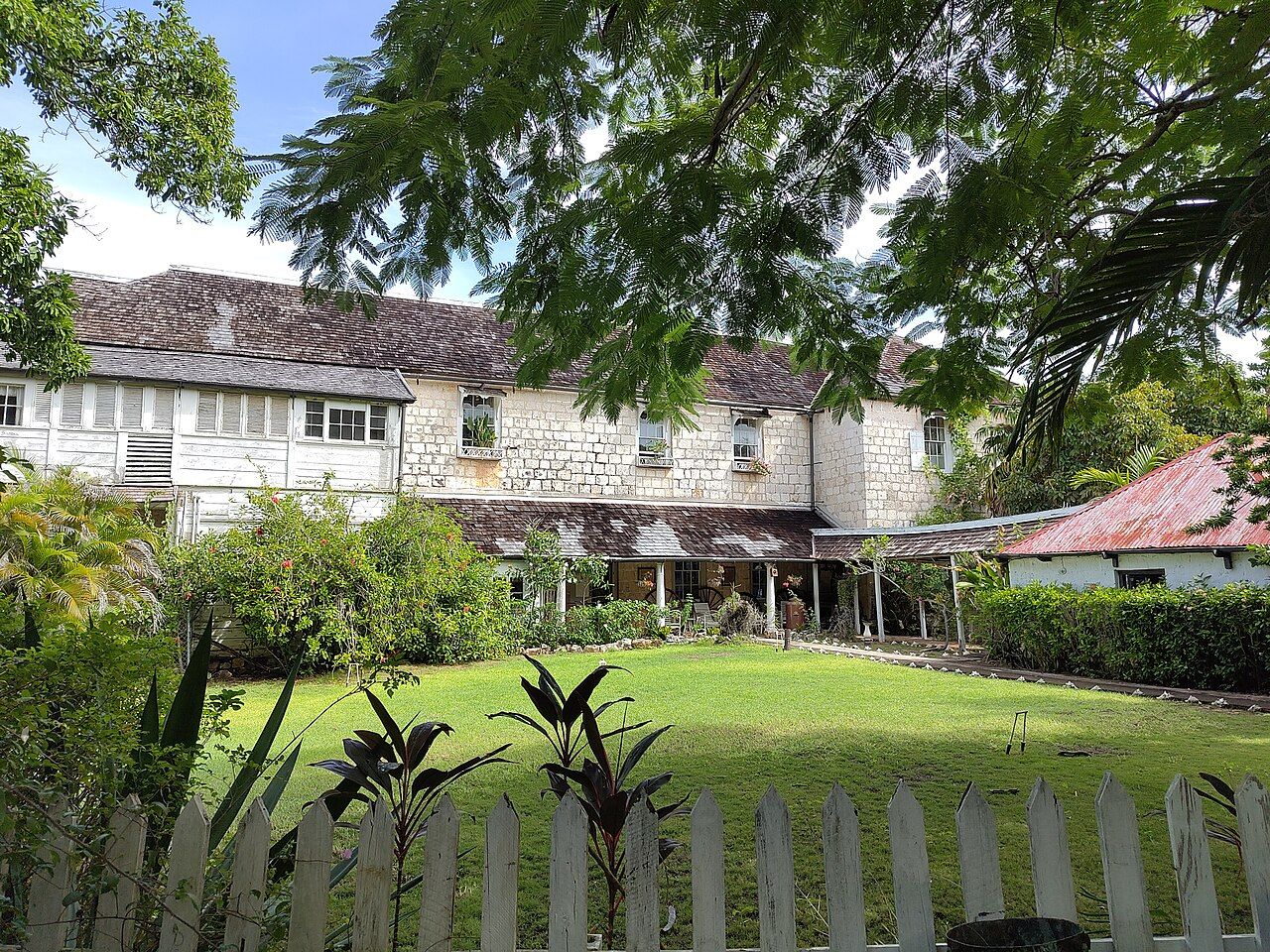
The veranda looks out over the coast, and on a clear day the view runs a long way along the shore. Take a moment there to think about what the view meant two hundred years ago: fields, mills and the villages of the enslaved, all visible from the house.
Side tripFalmouth, the Georgian port of TrelawnyVisiting both in one trip
- Allow about an hour for each house, plus the drive between them.
- Tours run through the day, and evening tours at Rose Hall are offered on some nights.
- Stairs and uneven floors are part of both visits; ask about access if mobility is a concern.
- Photography rules differ room by room; follow the guide.
Slavery, told plainly
Jamaica was a Spanish colony from the early sixteenth century until the English took it in 1655. Under British rule it became one of the richest sugar colonies in the world, and that wealth depended on enslaved Africans, brought across the Atlantic in huge numbers and forced to work on estates like these. Death rates were high and the work was relentless, especially at harvest, when the mills and boiling houses ran day and night.
Resistance was constant: people ran away to the hills, worked slowly, broke tools and rose in open revolt. The largest uprising, led by Sam Sharpe at Christmas 1831, began in this part of the island, and many great houses across St James and Trelawny were burned in it. Its story is told in the guide to downtown Montego Bay, where Sharpe was hanged. Slavery was abolished by law in 1834, and full freedom came in 1838.
After emancipation, many freed people left the estates to farm their own land, often in villages founded with the help of Baptist and other missionaries. The great houses declined with the sugar trade, and many were left to fall down. Ruined mills, aqueducts and boiling houses still stand in fields and bush all over the north coast, sometimes right beside the road.
What to look for on the estates
Even if you only see the houses, the landscape around them carries the same history. As you drive east, look out for:
- Stone chimneys from boiling houses, standing alone in pasture.
- Round stone towers, the bases of old windmills that crushed cane.
- Aqueducts and water channels that fed water wheels.
- Small cemeteries near great houses, usually for the owning families only. The burial grounds of the enslaved were rarely marked.
A great house is easy to admire for its stonework and its views. The fuller visit keeps both stories in mind: the craft of the builders, many of them enslaved, and the system that put the house on the hill.
Combining the trip
Rose Hall and Greenwood sit on the way to the Georgian port of Falmouth, so it is easy to continue east the same day. Falmouth's streets show the town side of the same sugar economy: warehouses, merchants' houses and churches, including a Baptist church with deep links to the abolition movement. Further on, the slow river trip on the Martha Brae makes a calm end to a day of heavy history.
Go in the morning if you can, before the heat builds. Bring water and a hat for the walk from the car park, and leave time to sit on the veranda at Greenwood. The view is worth the pause, and so is the thinking it invites.
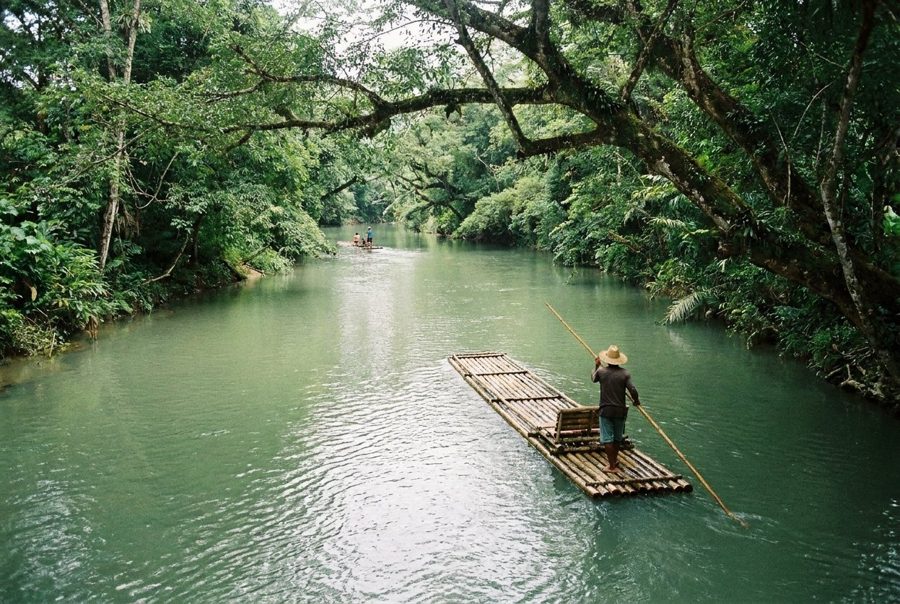 Rafting the Martha Brae
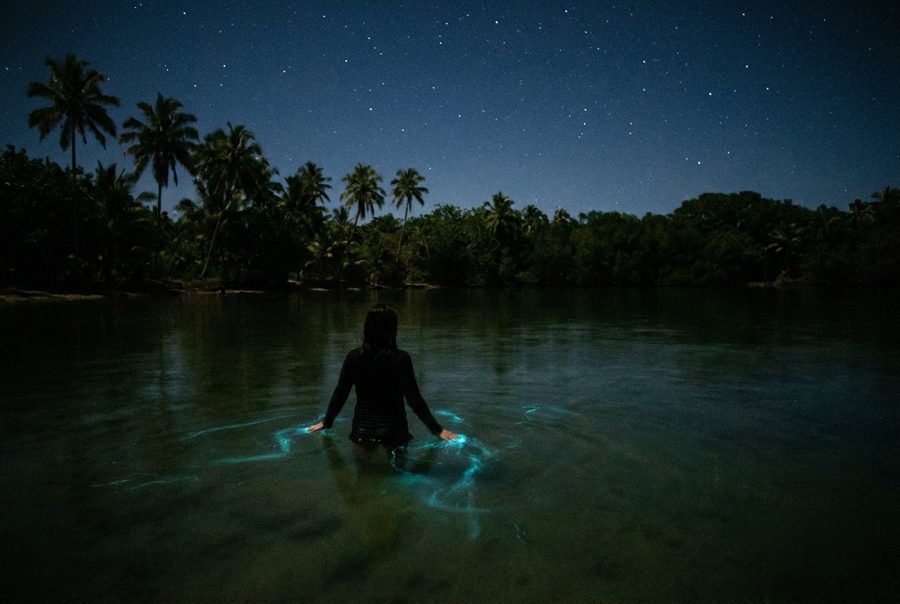 The Luminous Lagoon at night
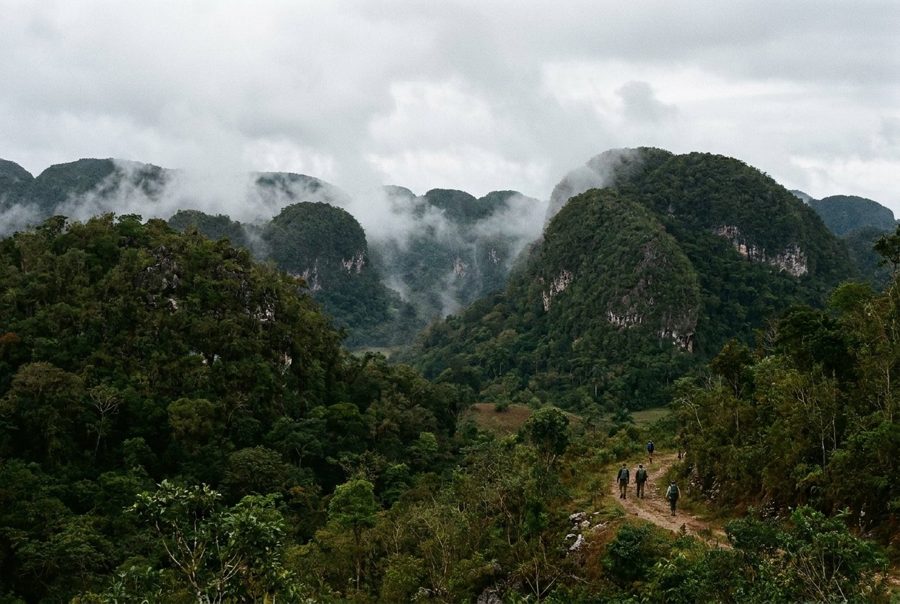 Cockpit Country and the birds of the west