Kingston, the mountains and the south
Accompong and the Maroons
High on the edge of the Cockpit Country lies the town of the Leeward Maroons, who fought the British to a treaty in 1739 and still govern their own affairs today.
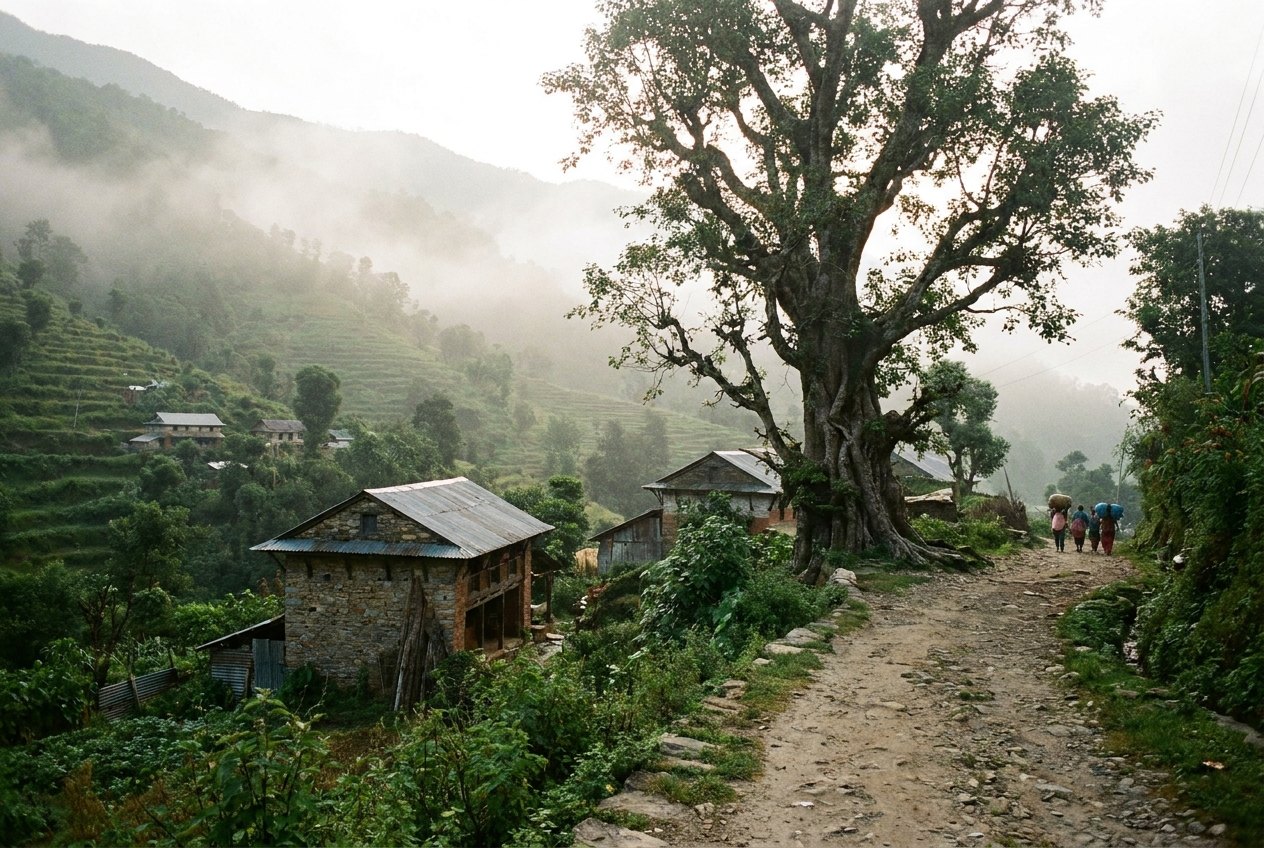
Accompong Town sits in the hills of north-western St Elizabeth, on the southern edge of the Cockpit Country, a landscape of steep limestone hills and deep hollows. It is the home of the Leeward Maroons, descendants of Africans who escaped slavery and built free communities in the interior, and who fought the British colonial government for decades before winning a treaty in 1739. Accompong still manages many of its own affairs under an elected leader, the Colonel, and for many Jamaicans it stands for resistance and freedom.
A visit here is not a tourist attraction in the usual sense. It is a chance to learn, from the people who carry it, a history that shaped the whole island.
Who the Maroons are
When the English took Jamaica from Spain in 1655, many enslaved Africans used the confusion to escape into the mountains. Over the following decades, others fled the sugar plantations and joined them. In the rugged interior, where colonial troops struggled to follow, they formed communities that farmed, hunted and defended themselves. The word Maroon is generally traced to a Spanish term for runaways or for animals that had escaped into the wild.
Two main groups formed. The Windward Maroons lived in the eastern mountains, in what is now Portland and St Thomas; their great leader was Nanny, today one of Jamaica's National Heroes. The Leeward Maroons lived in the west, in the Cockpit Country, led by Cudjoe. Their knowledge of the land, their skill in ambush and their use of the abeng, a horn used to send signals across the hills, made them very difficult to defeat.
The 1739 treaty
After years of conflict now known as the First Maroon War, the British government sought peace. In 1739, Cudjoe and the colonial authorities signed a treaty that recognised the freedom of the Leeward Maroons and granted them land. A similar treaty with the Windward Maroons followed.
The treaty is a source of great pride, and it was also a hard bargain. In return for their freedom and land, the Maroons agreed to help the colonial government against outside attack and to return people who escaped slavery in future. That clause shaped relations between the Maroons and the enslaved population for the rest of the slavery era. It is told plainly in Accompong, as part of a complex history rather than a simple story.
Later conflicts followed elsewhere. The Second Maroon War of the 1790s ended with the deportation of the Trelawny Town Maroons, first to Nova Scotia and later to Sierra Leone.
Side tripCockpit Country and the birds of the westThe January celebration
Every year on 6 January, Accompong celebrates the signing of the treaty and the birthday of Cudjoe. People come from across Jamaica and abroad. The day includes drumming, singing, a procession to the Kindah Tree, an old mango tree that is a gathering place and symbol of the community's unity, and ceremonies at sacred sites, some of which are only for members of the community. Food is cooked in large quantities, and the town fills with music, stalls and visitors.
If you go, arrive early, as the narrow road up into the hills becomes very busy. Parts of the ceremonies are private; follow the guidance of the organisers about where you may go and what you may photograph. The atmosphere is joyful, but it is also a solemn day of remembrance.
Visiting the rest of the year
Outside the celebration, Accompong is quiet. Community guides lead visitors around the town and its sites, which can include the small museum with objects and stories from Maroon history, the Kindah Tree, the monument to Cudjoe and walks into the surrounding hills, including to sites linked to the wars. Guides explain traditional uses of plants, the meaning of the abeng and the role of the Colonel and the council.
Maroon culture carries its own traditions: songs and drumming with roots in West Africa, words from an older language used in ceremony, herbal knowledge passed down through families, and a style of cooking meat slowly over wood in the hills that many credit as the origin of jerk.
Arrange your visit through the community, ideally a day or two ahead. That way the money you spend supports the town directly, and you hear its history from its own people.
Getting there
From Montego Bay, roads lead south through the hills of St James and into St Elizabeth; the final stretch climbs on narrow, winding roads. A car with a driver who knows the area is the simplest option. Public transport reaches the nearby towns, but the last stage is easier with private transport arranged in advance.
Accompong combines well with a trip to the south coast. The Black River and YS Falls are within reach of the hills, and the Cockpit Country around the town has some of the best birding and walking in the west.
- Ask first. Ask before photographing people, homes or ceremonies.
- Follow guidance. Some places are sacred. Listen to your guide and stay where you are invited.
- Dress modestly. Simple, covered clothing is appropriate, especially on the celebration day.
- Pay your way. Carry small cash for guides, the museum and local food.
- Read up. Knowing the outline of the history before you go makes the conversations richer. The story of the Windward Maroons continues in the guide to Port Antonio and the Rio Grande valley.
Accompong is small and remote, but few places in the Caribbean carry the story of freedom won so directly.
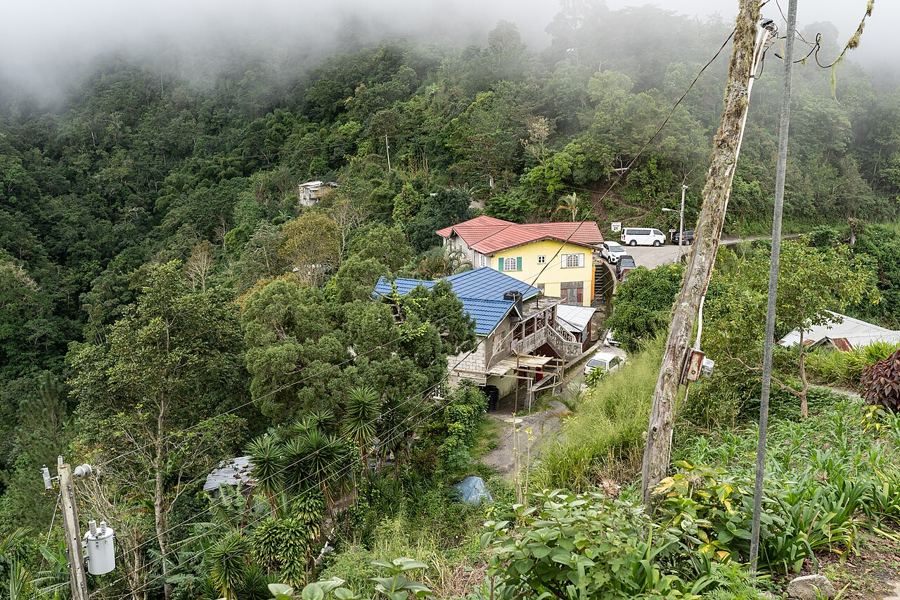 The Blue Mountains and the peak at dawn
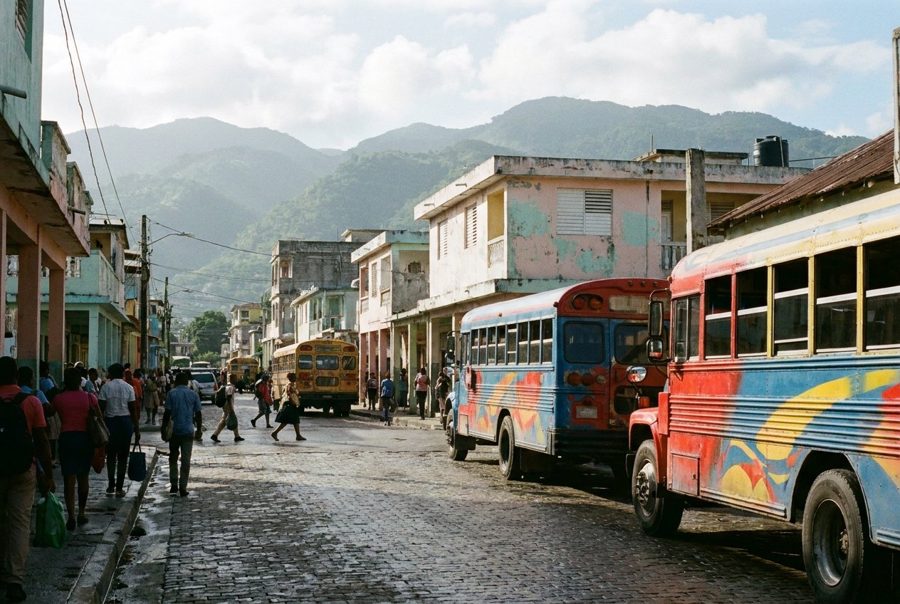 Kingston for a curious first visit
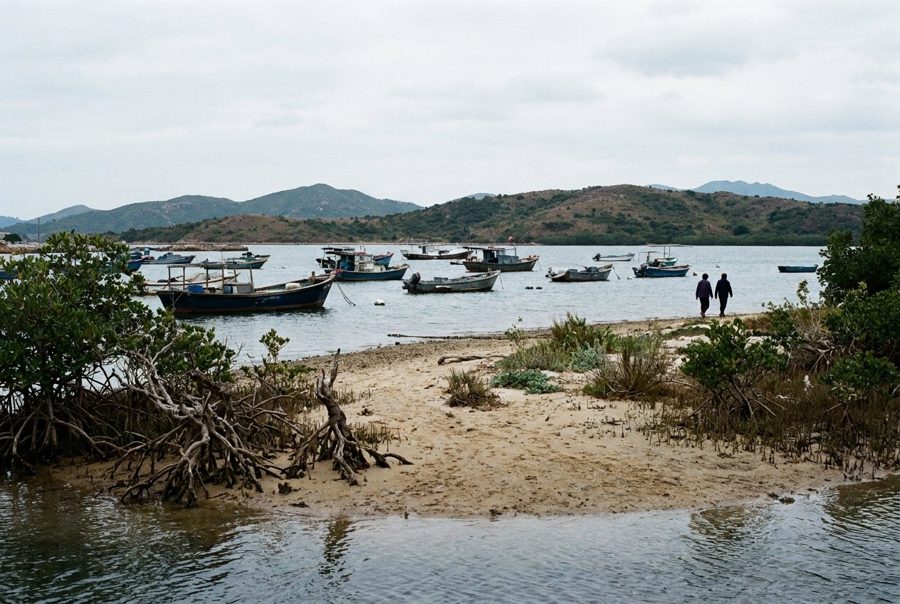 Port Royal, the town the sea took