Reggae, ska and the sound of the island
A small island changed the music of the world. Here is how mento, ska, rocksteady, reggae, dub and dancehall grew from Kingston's yards and sound systems, and where to listen now.
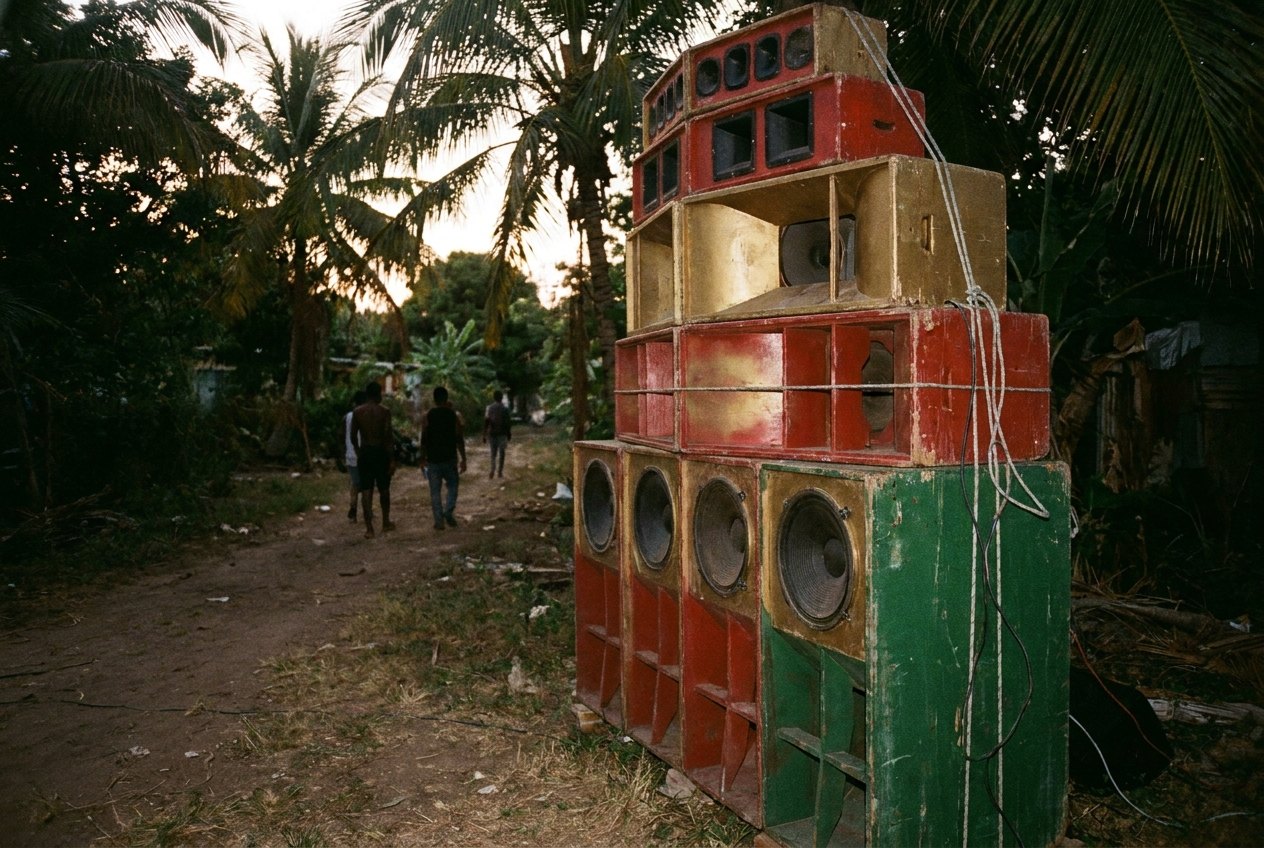
Few countries of Jamaica's size have shaped world music so strongly. In the space of a few decades, the island produced ska, rocksteady, reggae, dub and dancehall, and the influence of those sounds reached far beyond the Caribbean, into rock, punk, hip hop and pop. In 2018, reggae music of Jamaica was added to UNESCO's list of the Intangible Cultural Heritage of Humanity. On the island itself, music is not something kept for a stage. It plays from taxis, shops, yards and speakers on street corners, and it is part of daily life.
Roots: mento and the drum
Before ska, there was mento, a rural folk music played on banjo, guitar, hand drums and a rumba box, a large wooden box with metal tongues plucked for bass. Its songs were witty and often cheeky, and it is still played today, especially for visitors at hotels and events. Alongside it ran older traditions: the drumming of Kumina, with roots in Central Africa; the drumming of the Maroons; and Jonkonnu, the masquerade still seen at Christmas.
From the 1930s onward, Rastafari brought another sound: Nyabinghi drumming, slow and deep, played at gatherings of chanting and reasoning. That heartbeat would later run through roots reggae.
Rastafari, which grew up in Jamaica in the 1930s, looked to Ethiopia and to Africa as a spiritual home, and it gave later Jamaican music much of its language, imagery and sense of purpose. Its gatherings, with drums, chanting and long discussion, remain an important part of the island's culture.
Sound systems and ska
In the 1950s, Kingston's dances were driven by sound systems: huge speaker stacks, a selector playing records and a deejay talking over them. Rival sound systems competed for crowds, searching for new American rhythm and blues records. When that supply slowed, producers began recording local musicians instead.
The result, around the time of independence in 1962, was ska: fast, bright, horn-driven music with a skipping off-beat guitar. It caught the optimism of a new nation, and it travelled to Britain with Jamaican migrants, finding a large audience there.
Rocksteady, reggae and the world
By the mid-1960s the tempo slowed into rocksteady, with heavier bass and smooth vocal harmonies. By the end of the decade it had become reggae, with its distinctive rhythm and room for messages about faith, poverty, politics and love. Toots and the Maytals released a song called Do the Reggay in 1968, one of the first records to use the word.
Side tripNine Mile, in the hills of St AnnIn the 1970s, Bob Marley and the Wailers, with Peter Tosh and Bunny Wailer, took reggae to the world. Marley was born at Nine Mile in the hills of St Ann, grew up partly in Trench Town in Kingston, and became one of the most famous musicians of the twentieth century. Many other artists followed, singing about Rastafari, injustice and hope.
Reggae's lyrics carried the concerns of the time: hardship in the city, political tension, the memory of slavery and the hope of repatriation to Africa. Songs were played on the radio, at dances and on record stands, and they became a voice for people who were rarely heard elsewhere. That combination of message and rhythm is one reason the music crossed borders so easily.
Dub
Studio engineers took reggae records apart, stripping out vocals, bringing the drum and bass forward and adding echo and reverb. This was dub, pioneered in the late 1960s and 1970s by producers such as King Tubby and Lee Scratch Perry. Its ideas about mixing and remixing changed popular music everywhere.
Dancehall and today
In the late 1970s and 1980s, the deejay style moved centre stage. Dancehall, with faster digital rhythms and lyrics delivered over them, became the dominant sound in Jamaica and remains so. It is bold, topical, constantly changing and closely tied to dance moves that spread across the island and abroad. Roots reggae continues alongside it, with newer generations of singers carrying it forward.
Sound systems are still at the heart of it. A street dance, with speaker walls in a closed-off road, a selector and a crowd that does not really get going until after midnight, is one of the most direct ways to feel how music works here.
Jamaican studios and producers remain central to all of this. A rhythm, called a riddim, may be recorded once and then voiced by many different artists, each adding their own song over it. A popular riddim can carry dozens of records in a single season. The same habit of sharing and reworking runs back through dub to the earliest sound system days, and it is part of what makes the music so quick to change.
Where to hear it
- Kingston. The capital is the centre of the music business. The Bob Marley Museum on Hope Road and the Trench Town Culture Yard tell the story; weekly street dances and live shows come and go.
- Nine Mile. Bob Marley's birthplace and resting place in St Ann.
- Festivals. Large summer festivals in Montego Bay and other events through the year draw big crowds; dates change. February is Reggae Month, around Marley's birthday on 6 February.
- Everywhere. Listen in route taxis, at roadside stalls and in town squares. Ask people what they are listening to; most will be glad to tell you.
Listening with respect
Music in Jamaica is tied to faith, struggle and community, especially in Rastafari and in neighbourhoods like Trench Town. Visit those places with community guides, ask before taking photos, and remember that a street dance is someone's neighbourhood. Go with someone who knows the scene, travel by licensed taxi late at night, and you will hear the island at its most alive.
 Jerk, patties and ackee: eating in Jamaica
 Getting around Jamaica without a tour
 Jamaica's seasons, rains and hurricanes