Nine Mile, in the hills of St Ann
Bob Marley was born in a small village high in the hills of St Ann and lies buried there today. Getting to Nine Mile takes time; visiting it well takes respect.
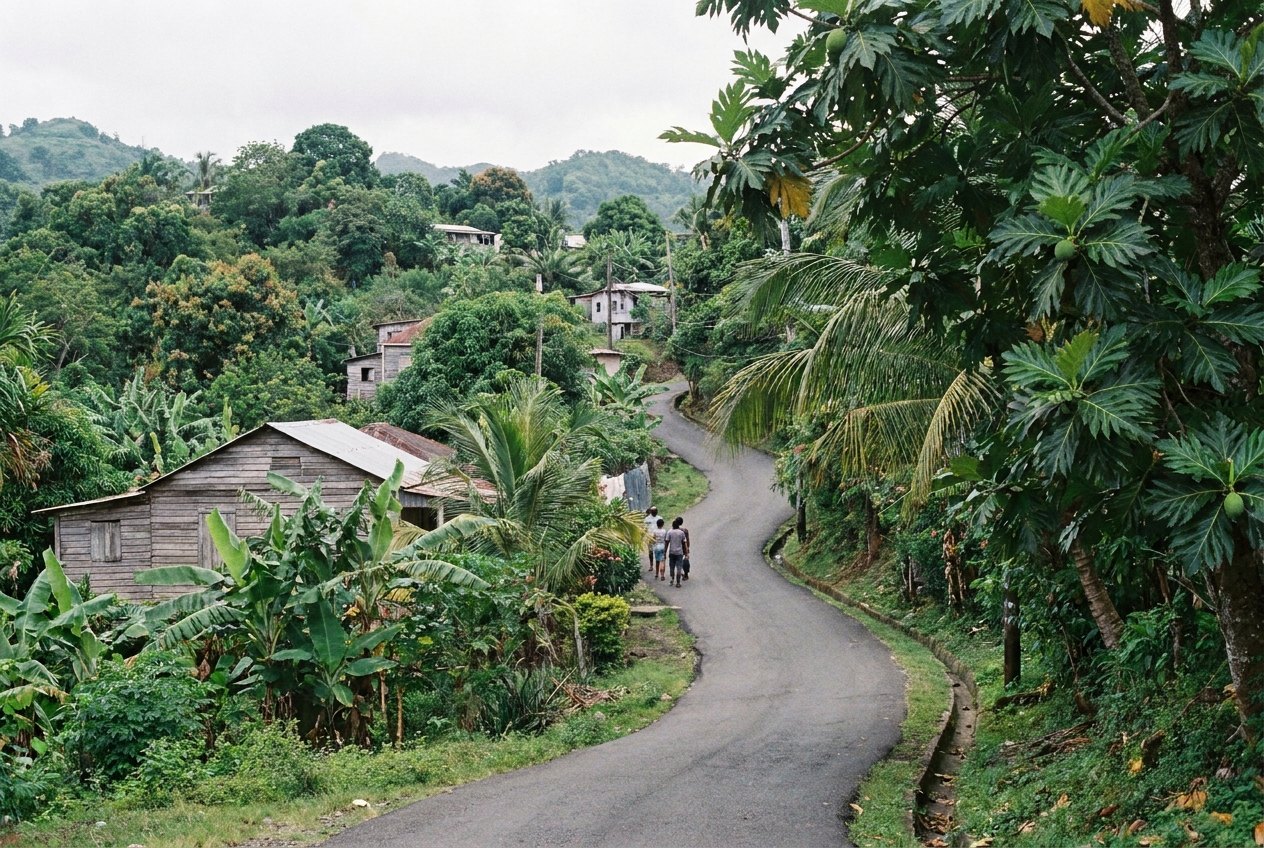
Nine Mile is a small farming village in the hills of St Ann, a long way from the coast in feel if not in miles. It is the place where Robert Nesta Marley was born on 6 February 1945, where he spent his early childhood, and where he was laid to rest after his death in May 1981. For many visitors it is the most personal stop on the island.
The village and its son
Bob Marley's mother, Cedella, came from this district, and he lived here as a young child before moving with her to Kingston, where he grew up in Trench Town and began his career. He never lost his link to Nine Mile, and he returned to the hills at times through his life.
When he died, at the age of 36, Jamaica gave him a state funeral in Kingston, attended by huge crowds. His body was then carried in a long procession across the island to Nine Mile, where he was buried in a mausoleum close to the house where he was born. His mother was later buried there too.
The village today is still a farming community. Houses are scattered along the road and over the hillsides, with gardens, small shops and churches. The Marley compound sits on a rise in the village, painted in the red, gold and green associated with Rastafari.
Inside the compound
Visits to the birthplace and mausoleum are guided, usually by Rastafari guides who know the site and the music well. The tour normally includes the small house where Marley lived as a child, the rock where he is said to have rested and thought, often called his meditation stone, and the mausoleum itself, a small church-like building.
Inside the mausoleum, Marley lies in a marble tomb, with personal objects and gifts left by visitors from around the world. It is a sacred space for many people. Guides will tell you what is expected on photographs, footwear and behaviour, and it is important to follow them.
What to expect
- Allow at least an hour at the site, longer if you want to talk with the guides.
- Expect music, singing and conversation as part of the visit.
- Entry is charged.
- Bring small notes for tips, food and drinks.
The drive up
Nine Mile is reached on narrow, winding hill roads. The most common route is from Ocho Rios on the coast, climbing inland through Claremont and onward through farming villages. Another approach comes from Brown's Town to the west. Either way, the roads twist through hills of red earth, banana and yam plots, and long views over green valleys. Bauxite, the ore that gives the soil its colour, has been mined in St Ann for decades, and you may pass mining land along the way.
The drive is beautiful but slow. Bends are tight, the road narrows in places, and you will share it with route taxis, trucks, goats and people on foot. Allow plenty of time, avoid driving the hill roads after dark if you are new to them and use your horn gently on blind corners, as local drivers do. Heavy rain can make some stretches harder.
From Montego Bay the trip makes a long day; from Ocho Rios and Dunn's River it is more manageable. The guide to getting around Jamaica covers driving in the hills.
Respect in the village
Nine Mile is a place where people live and work, not a stage. Visiting well means:
- Dressing modestly and keeping voices down near homes and churches.
- Asking before you photograph people, and accepting a no.
- Buying food, drinks or crafts locally if you want to support the community.
- Agreeing prices before you pay for anything outside the compound.
- Treating Rastafari beliefs with the same respect you would give any faith.
You may be offered things along the road. A polite answer is all that is needed.
The hills around the village are worth a look on the way in and out. Small farms grow yam, banana, cocoa and pimento on steep plots, and roadside stalls sell whatever is in season. Buying fruit here is a simple, direct way to put money into the district.
Marley's place in Jamaica
Bob Marley took reggae, and with it the sound of Jamaica, to the whole world. Songs written in Kingston about hardship, faith and freedom found listeners on every continent, and his voice remains the one most people around the world connect with the island. In Jamaica he was awarded the Order of Merit, and his birthday is marked each February.
He was also a devout Rastafarian, and his music carried Rastafari ideas about Africa, justice and dignity to people who had never heard of them. Visiting Nine Mile is a chance to see where that journey started: not in a city studio, but in a hill village of small farms. For the wider story of the music, from ska to dancehall, see the guide to reggae, ska and the sound of the island. In Kingston, his former home is now a museum, covered in the guide to Kingston for a first visit.
Go early to avoid the hottest part of the day and the busiest hours. Check that the site is open, as arrangements change, and plan for a long drive in each direction. Bring water and something to eat in case the road is slower than expected.
Above all, give the place time. Nine Mile rewards people who arrive without hurry, listen to the guides and let the hills set the pace.
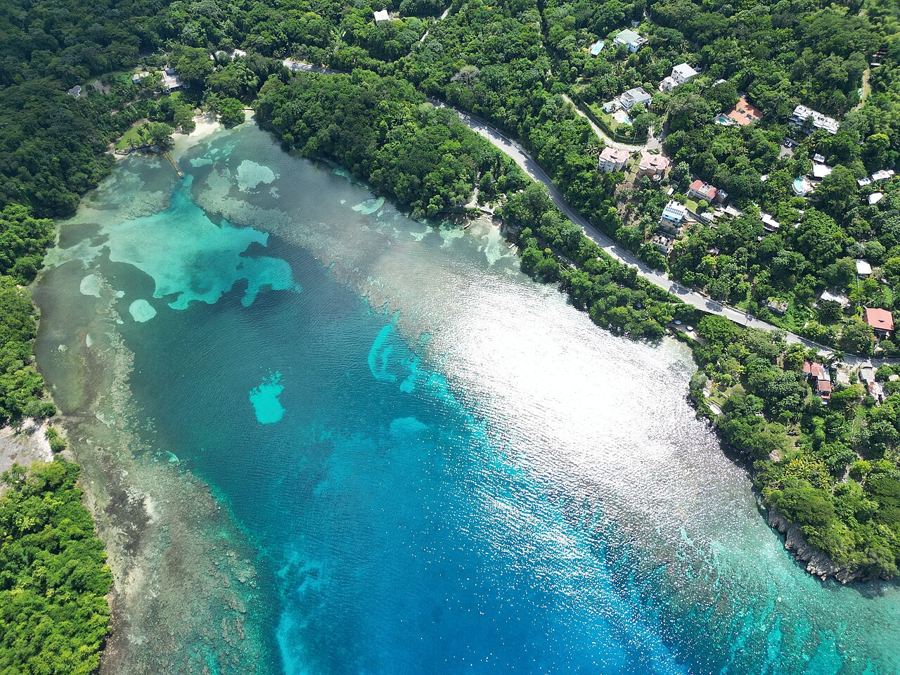 Port Antonio and the green Portland coast
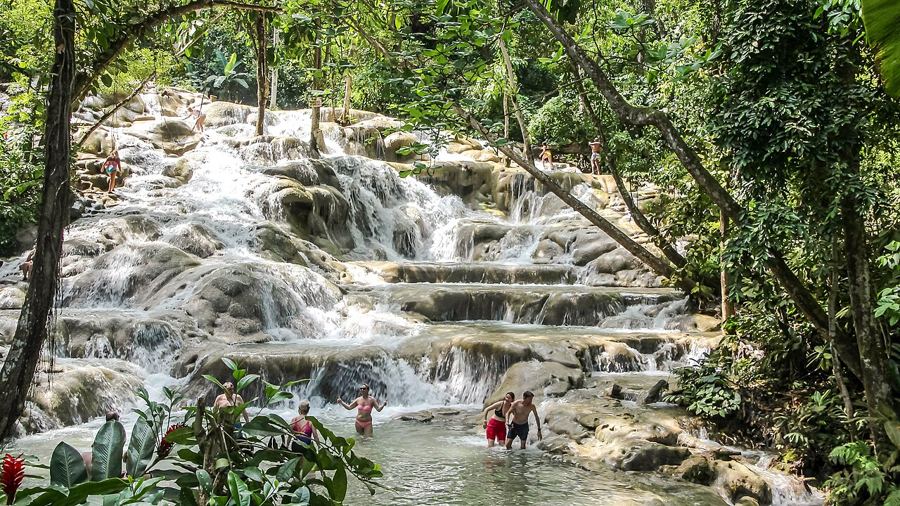 Ocho Rios, Dunn's River and Fern Gully
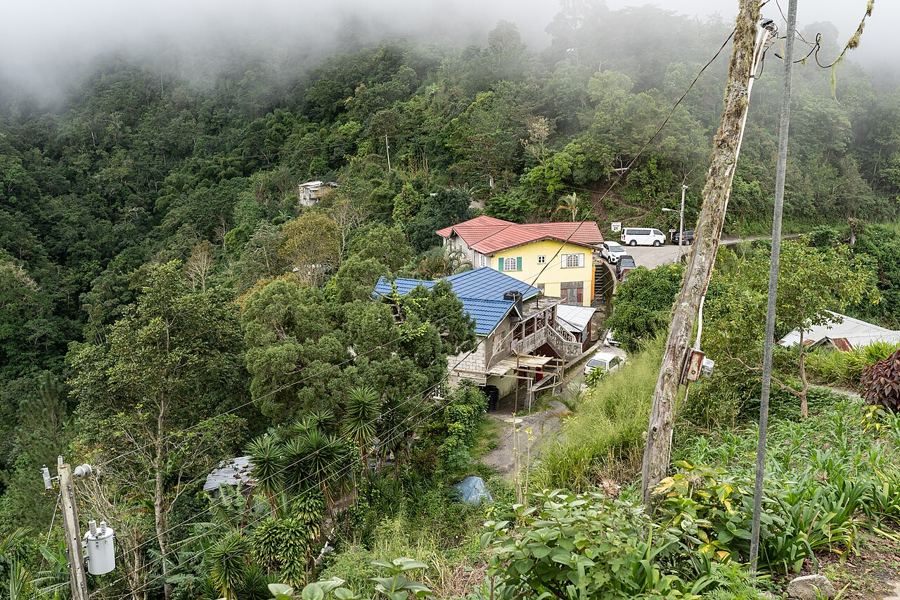 The Blue Mountains and the peak at dawn